Dehydrators reduce to pure enjoyment
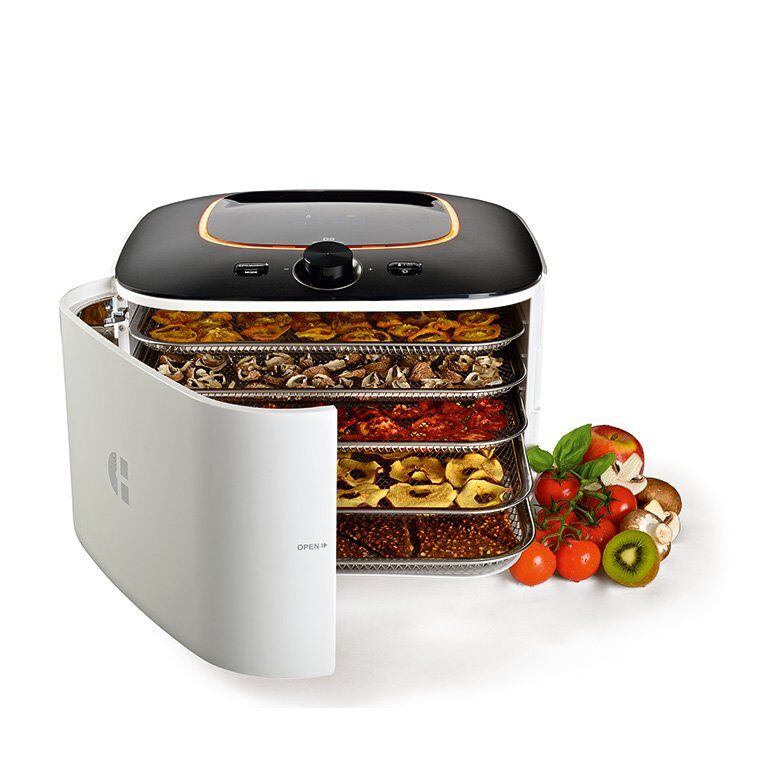
In modern dehydrators, the water is gently removed from juicy apple and kohlrabi slices, sweet pineapple pieces or spicy marinated tomatoes at temperatures compatible with raw food, i.e. below around 45°C, and thus also the breeding ground for mould and putrefactive bacteria. Preserved in this way, the dried food remains edible for weeks and months, whether as a dry snack or as an ingredient for delicious raw food recipes with the addition of more water. And that's not all: freed from "superfluous" water, many a reserved garden fruit suddenly becomes an intensely flavoured revelation!
Absolute fruit favourites from the dehydrator are e.g:
- Apples
- Apricots
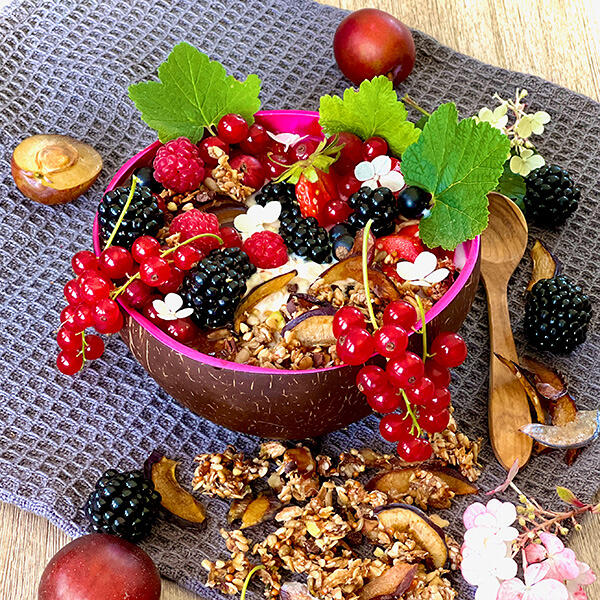
- Berries
- Dates
- Plums
Dehydrate fruit, vegetables, mushrooms, herbs or pomace
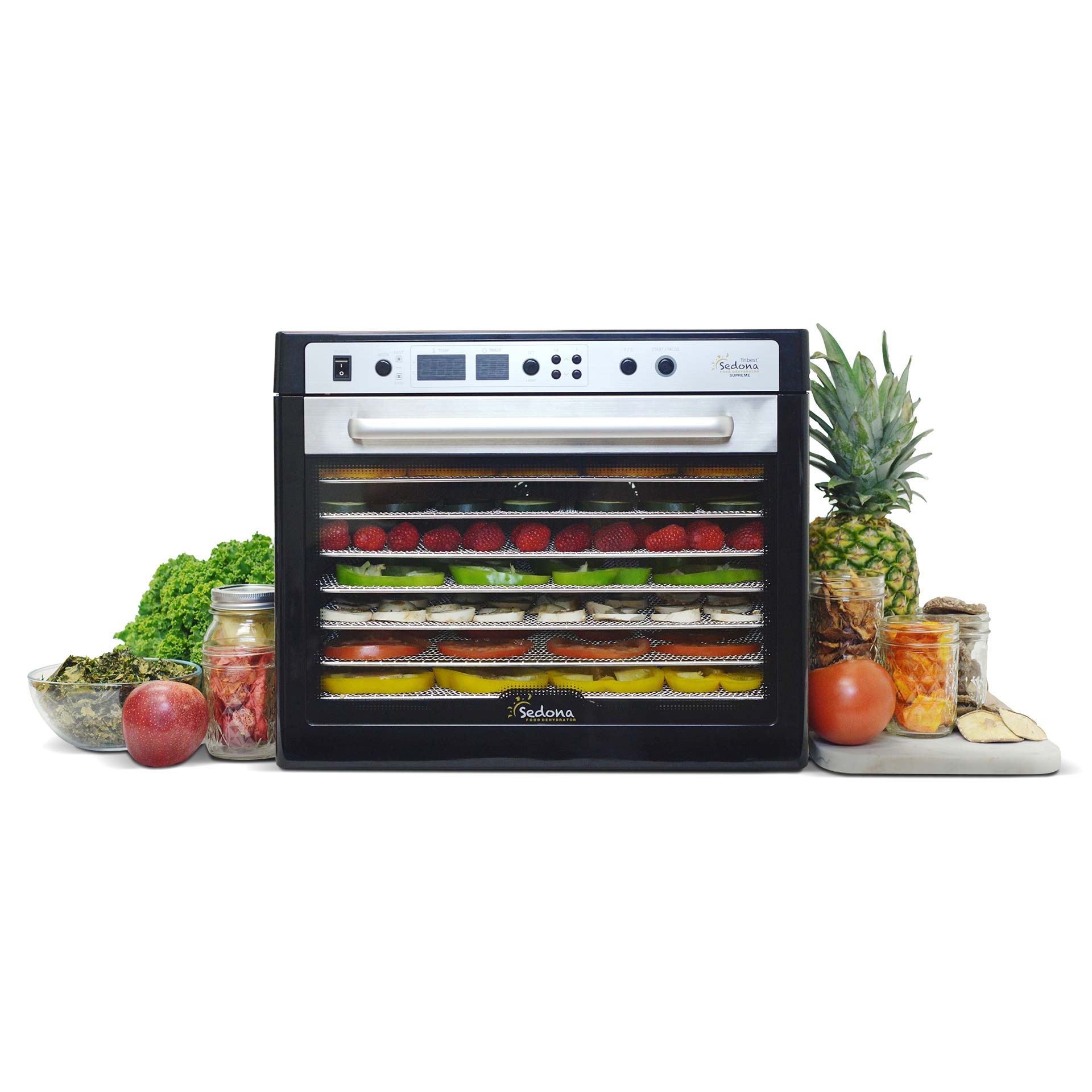
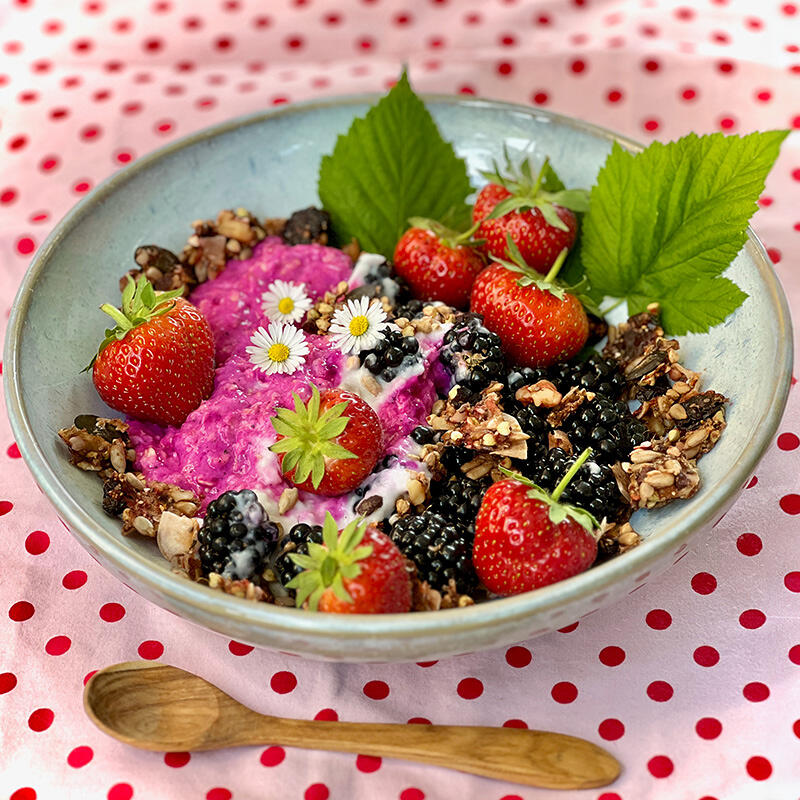
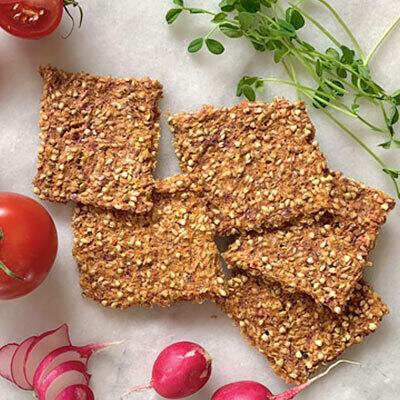
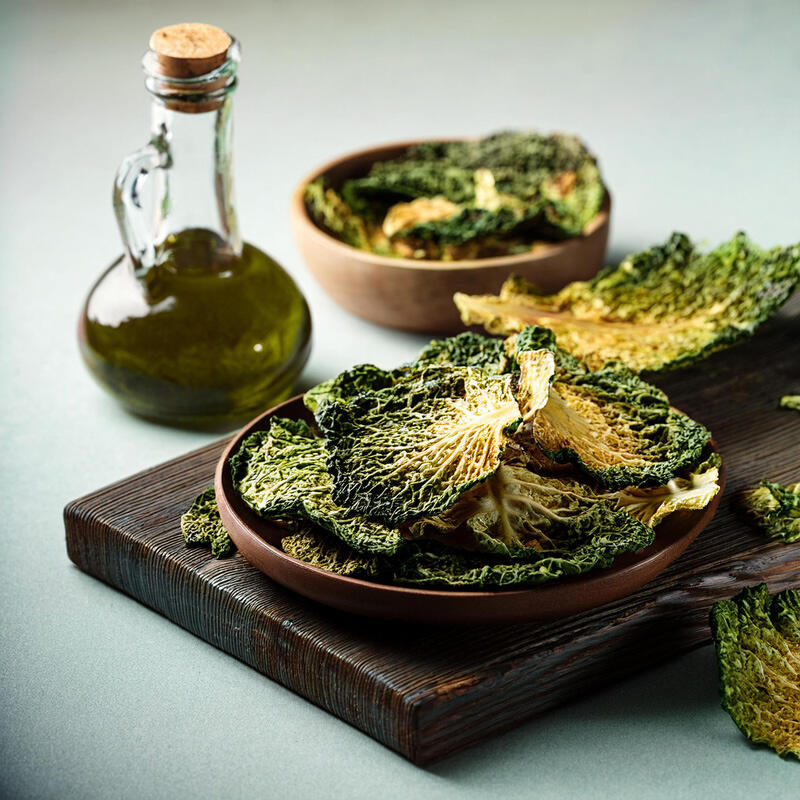
The dehydration process only removes the water, but not the flavours, vitamins, enzymes and fibre. There is practically nothing that cannot be dehydrated and thus preserved. This means you can enjoy sweet fruit leather, delicious vegetable crisps, aromatic mushrooms for soups etc. or refined herb mixtures all year round. The pomace left over after
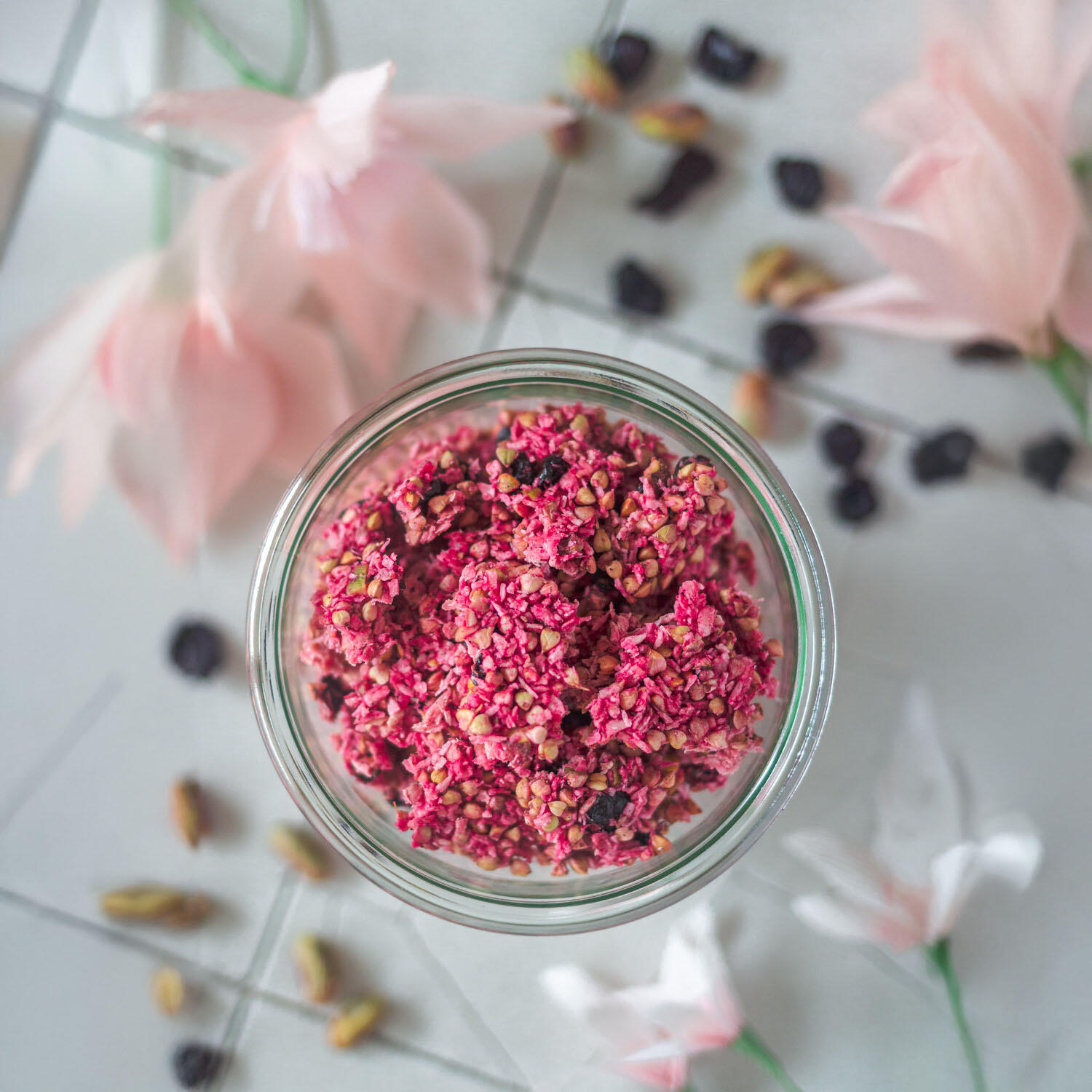
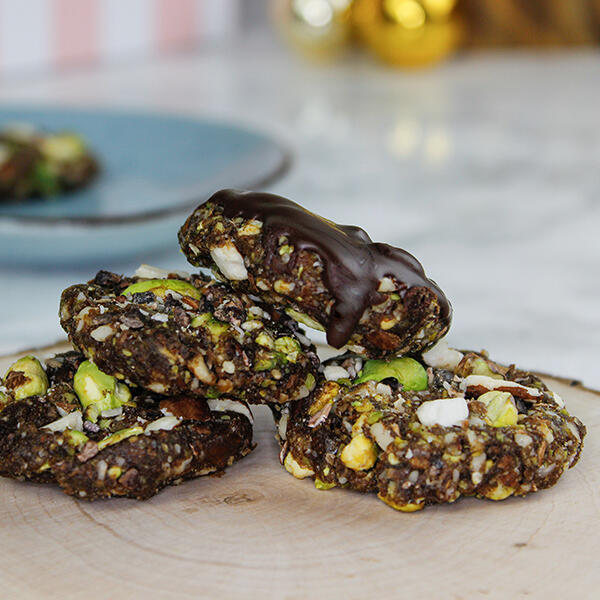
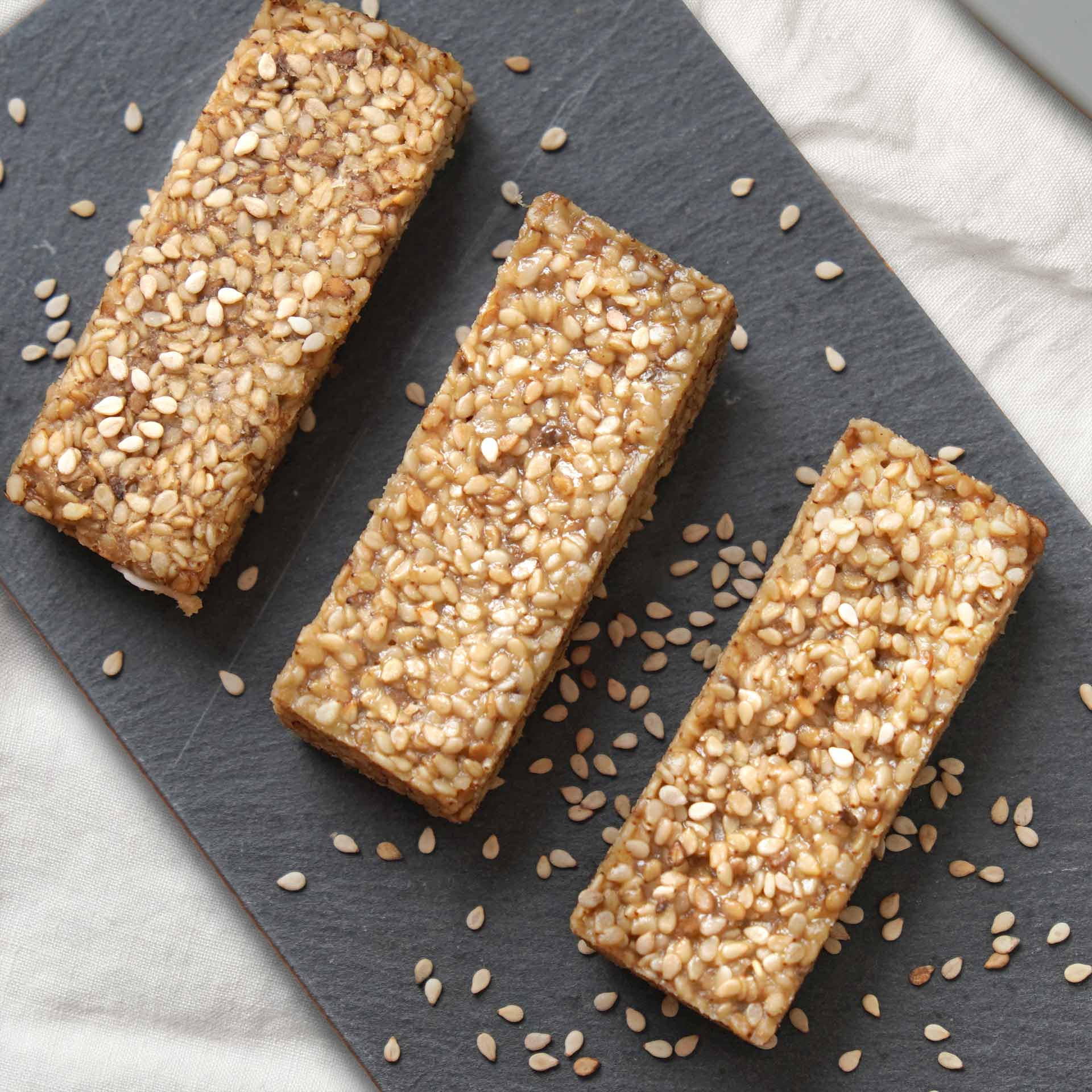
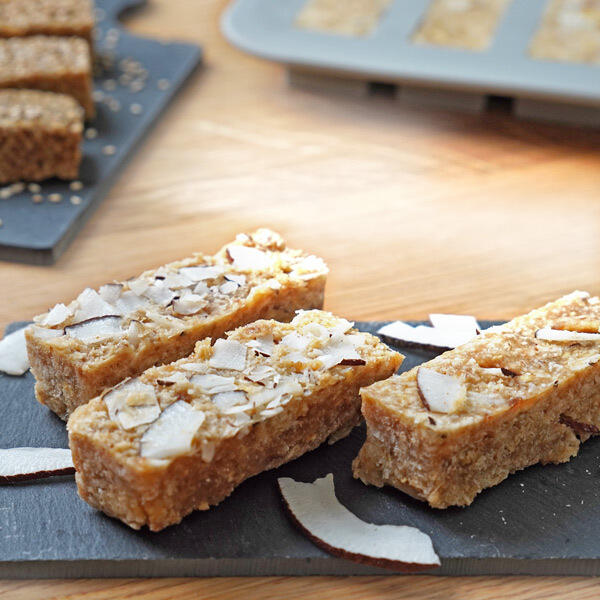
juicing can be used to make delicious snacks for in between meals. Simply sweeten the fruit pomace to taste with a dash of agave syrup and refine it with nut flakes and oat flakes - this turns it into a raw food sports energy bar in the dehydrator, for which you are happy to go the proverbial extra mile! The dehydrated food will keep for many weeks or even months in tightly closed, dark containers. This makes you independent of stored or imported goods, even outside the harvest season.
The right dehydrator for every need
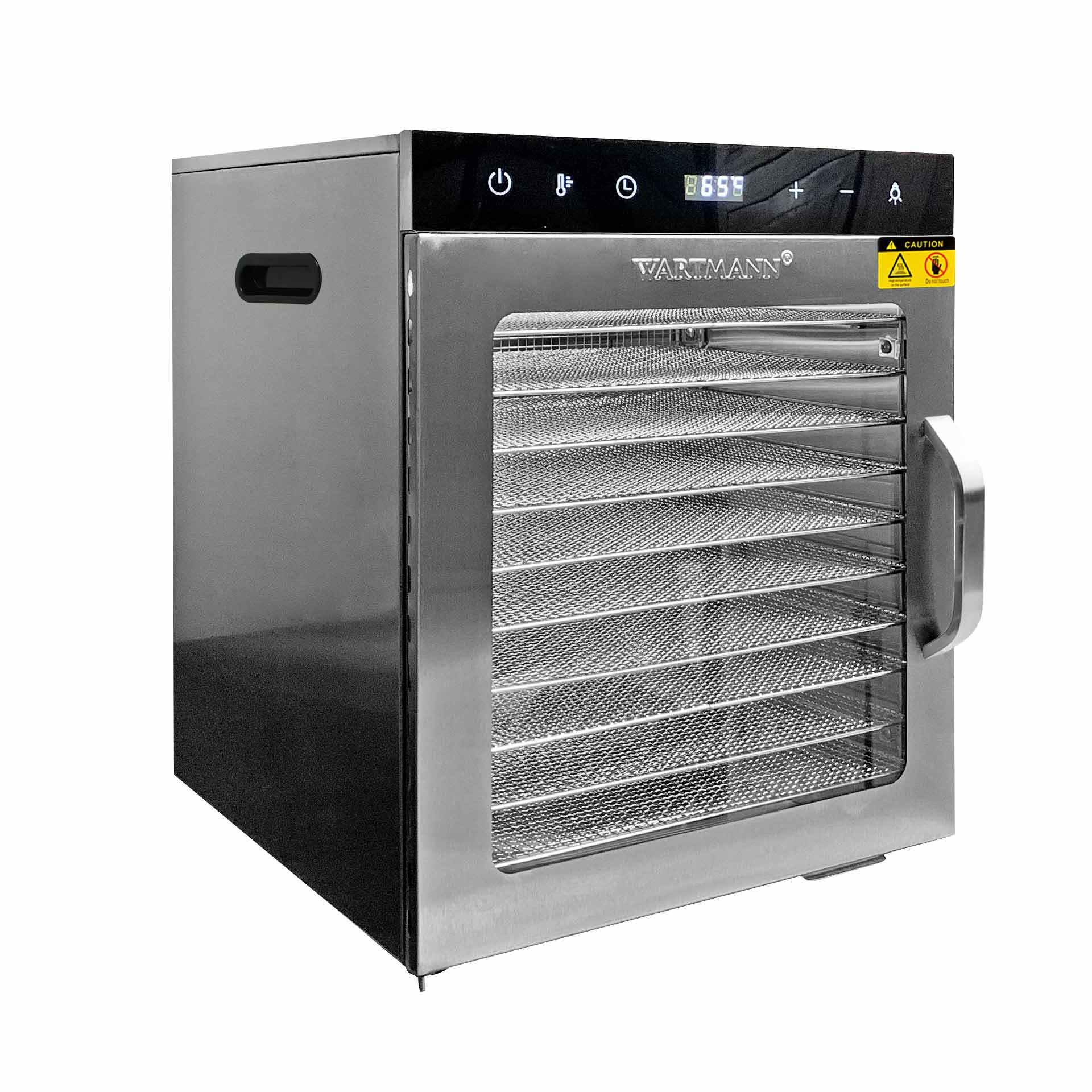
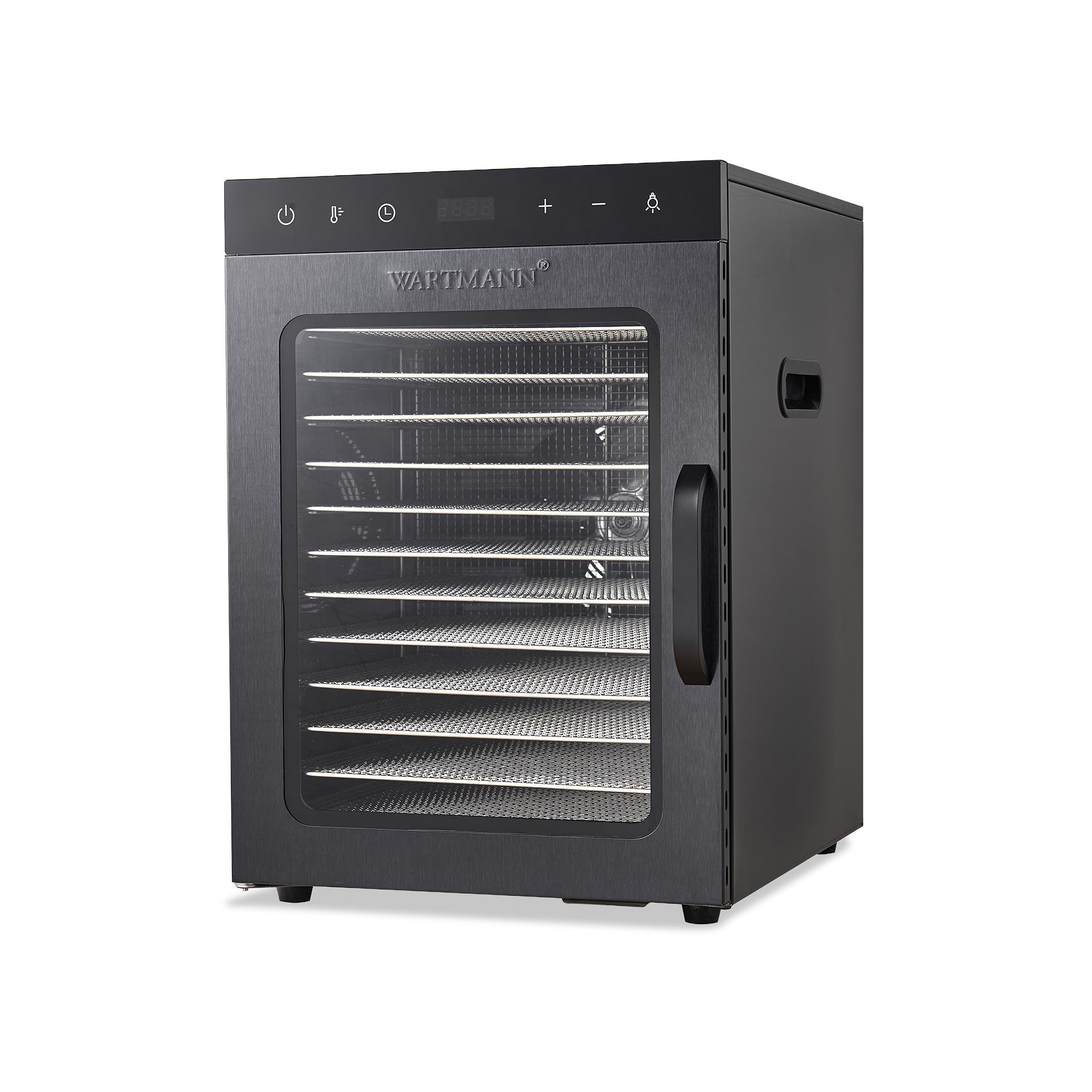
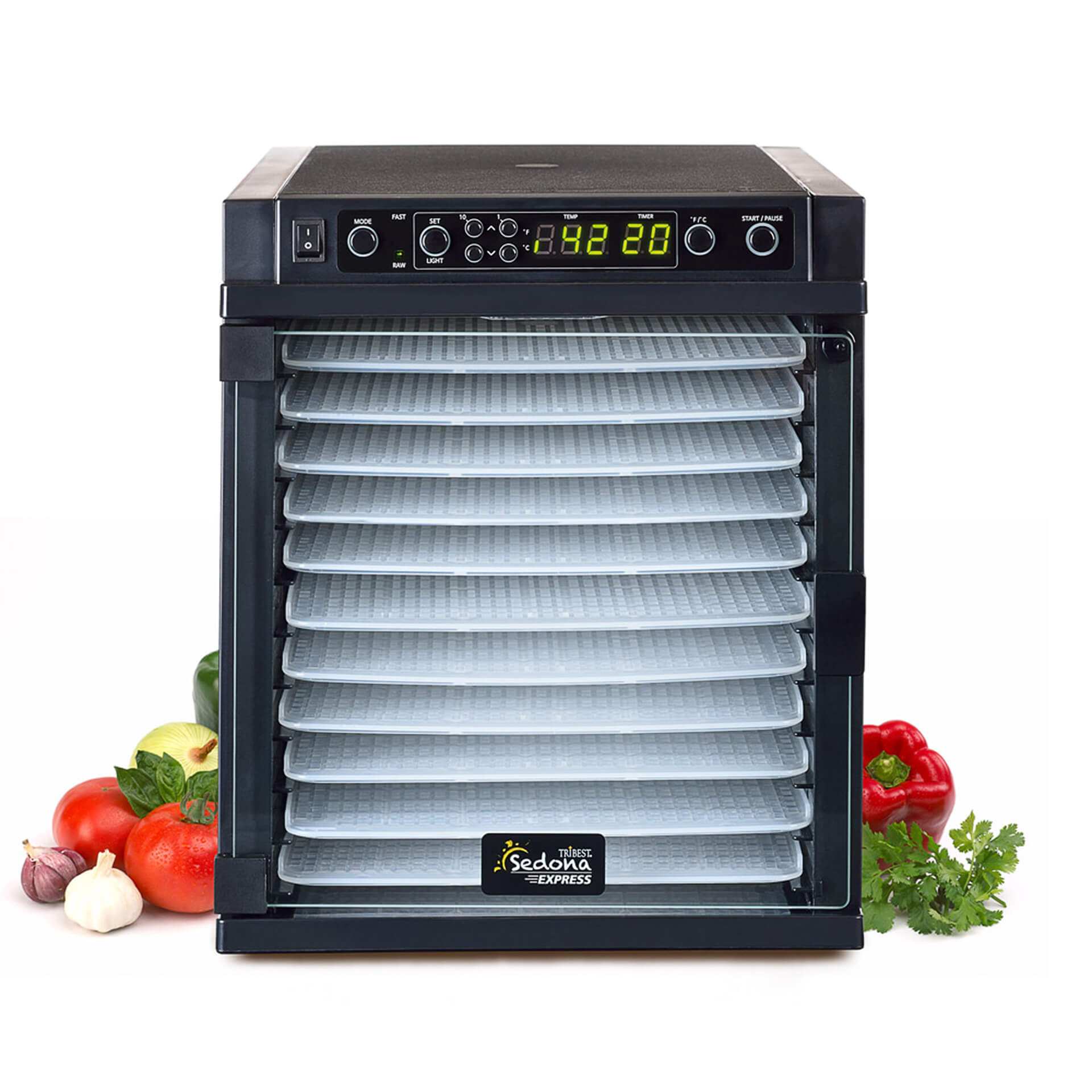
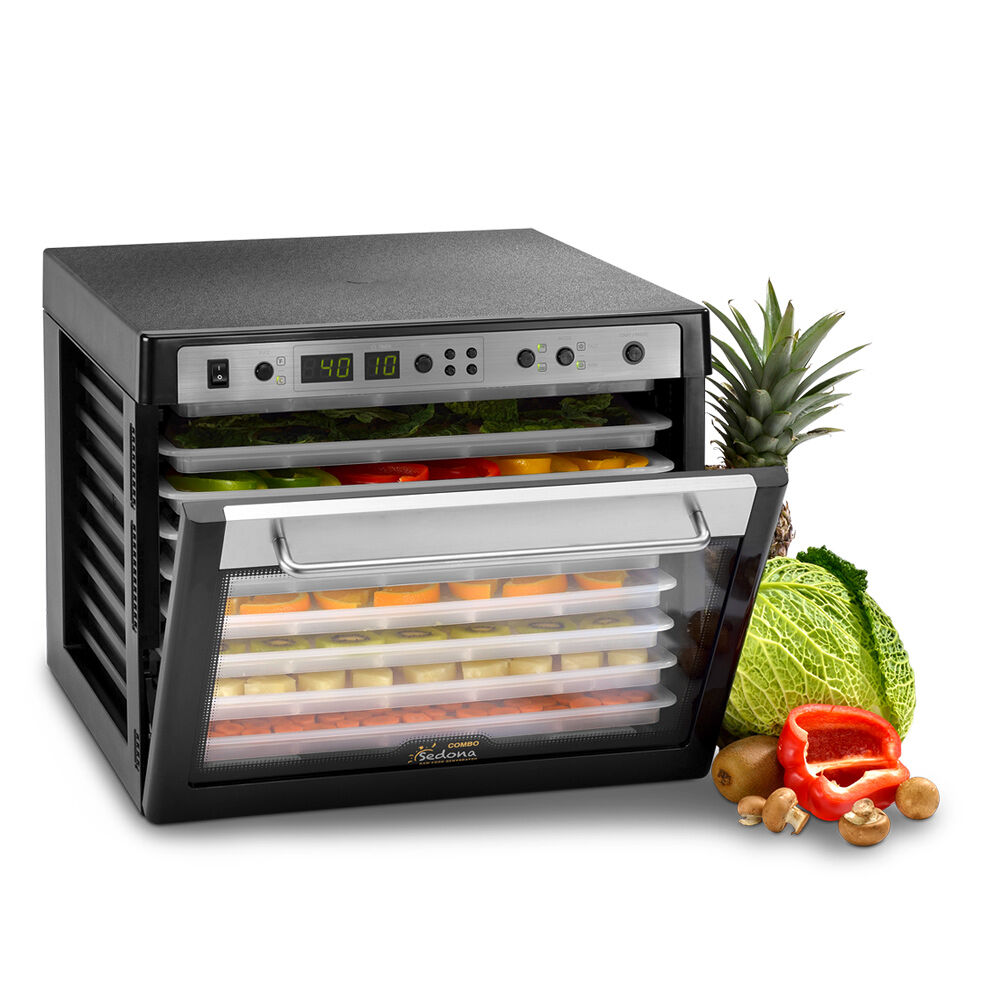
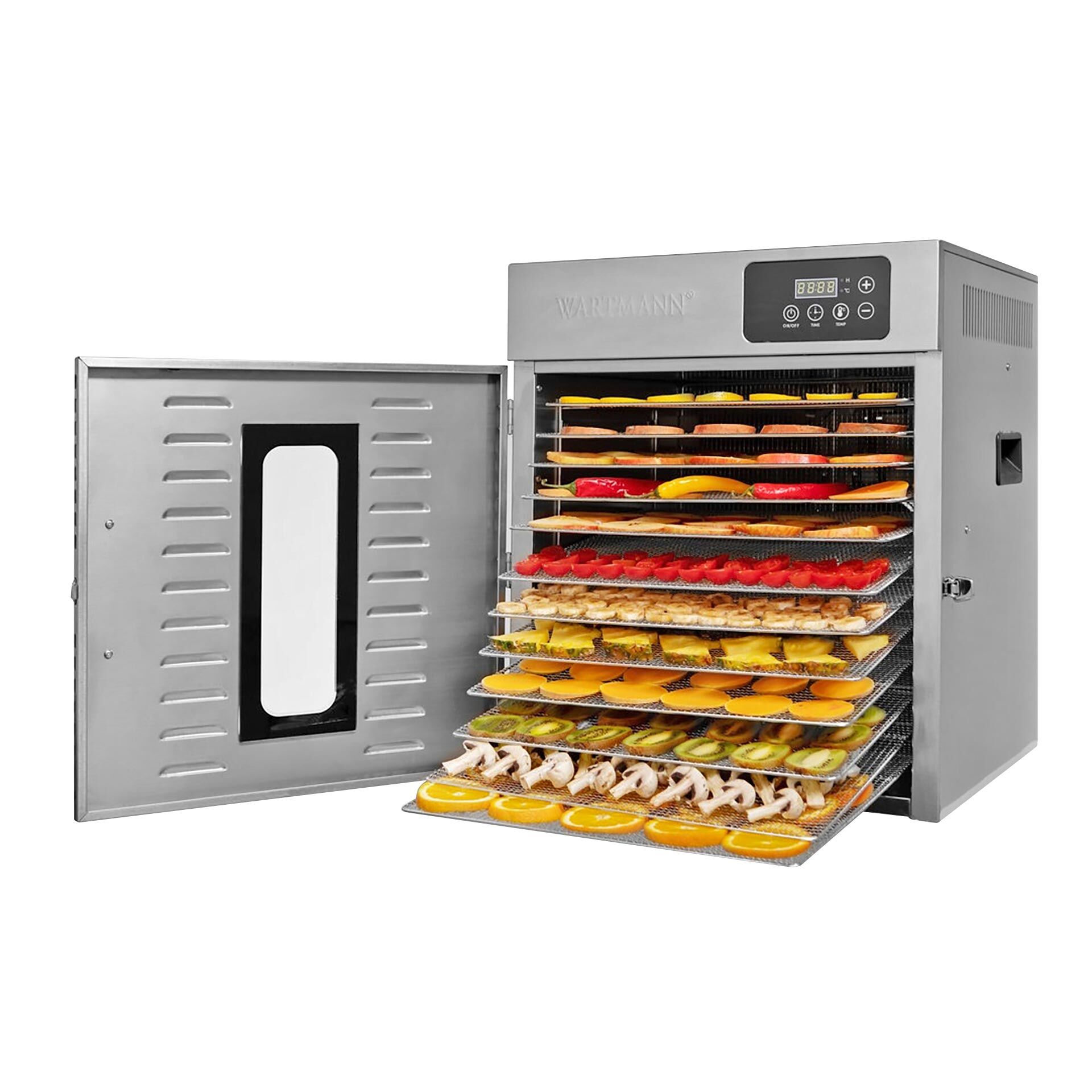
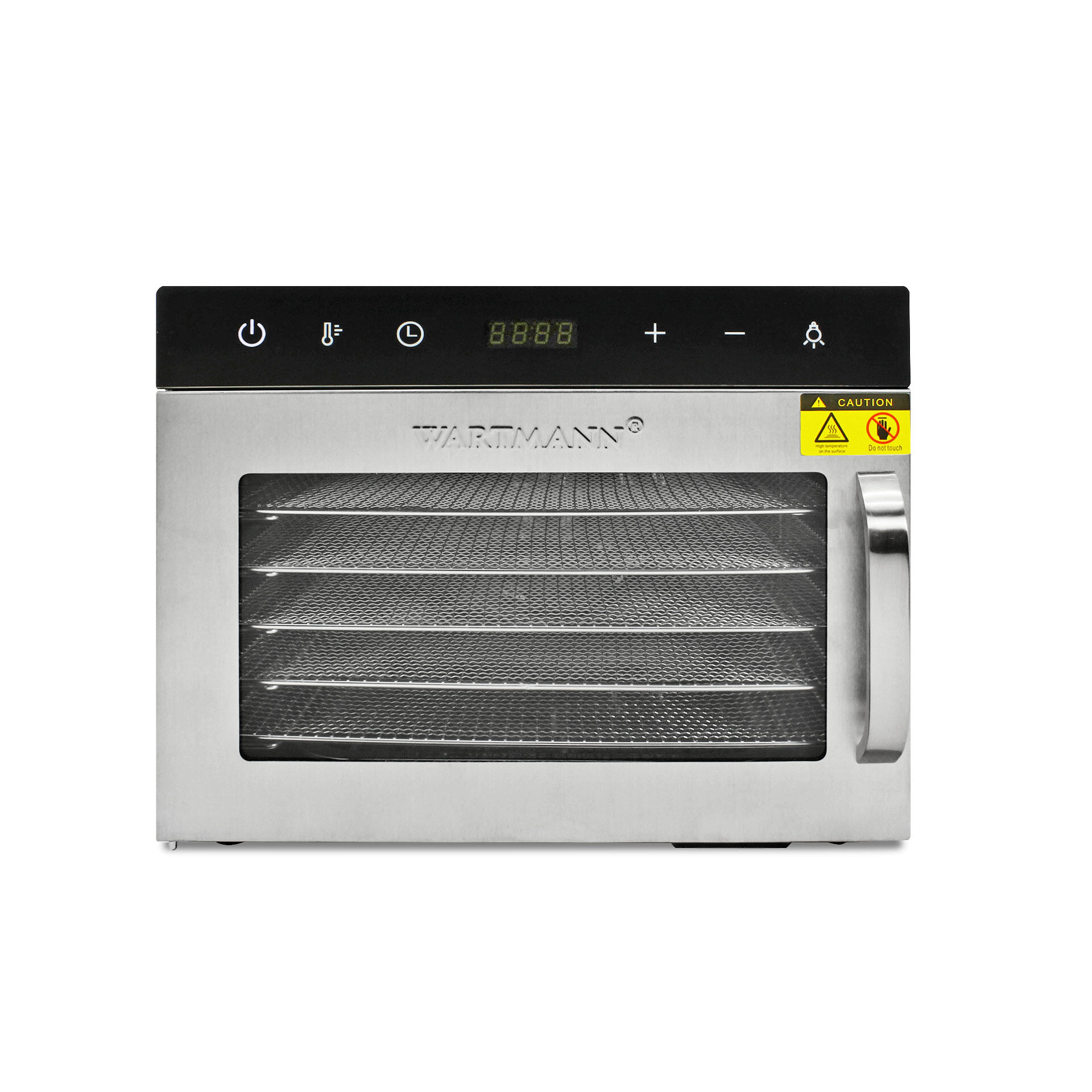
Are you looking for a compact appliance for in-between meals that is small in the kitchen? Or one that allows you to be productive all year round? In the online shop at Keimling Naturkost,
you will find exactly the right dehydrator for your needs. There are differences not only in size, equipment and price, but also in the technology: many dehydrating fans swear by dehydrators with horizontal fans, for example, as these enable constant drying across all levels.
Why you should test a dehydrator
Fruit and vegetables can of course be preserved and eaten in various ways. Fruit can be made into a tasty compote and vegetables can also be preserved using salt and vinegar. Drying is a flavourful alternative. Different methods are still used here today. They have, among other things the option of dehydrating in the oven or in the open air. However, if you try an automatic dehydrator, you will not want to miss out on its advantages:
- The constant low temperature is best maintained in the dehydrator.
- The humidity is regulated in the dehydrator and cannot become too high.
- Although air drying is energy-efficient, it takes days; compared to an oven, the dehydrator is more economical in terms of electricity consumption.
- The right ambient air and humidity will prevent your dried food from going mouldy later on and make it last longer.
In our online shop you will find exactly the dehydrator that suits your needs: If you are trying out a dehydrator for the first time, we have a selection of entry-level models that are easy to use. But advanced users will also find what they are looking for: We also have absolute high-end devices up our sleeve.
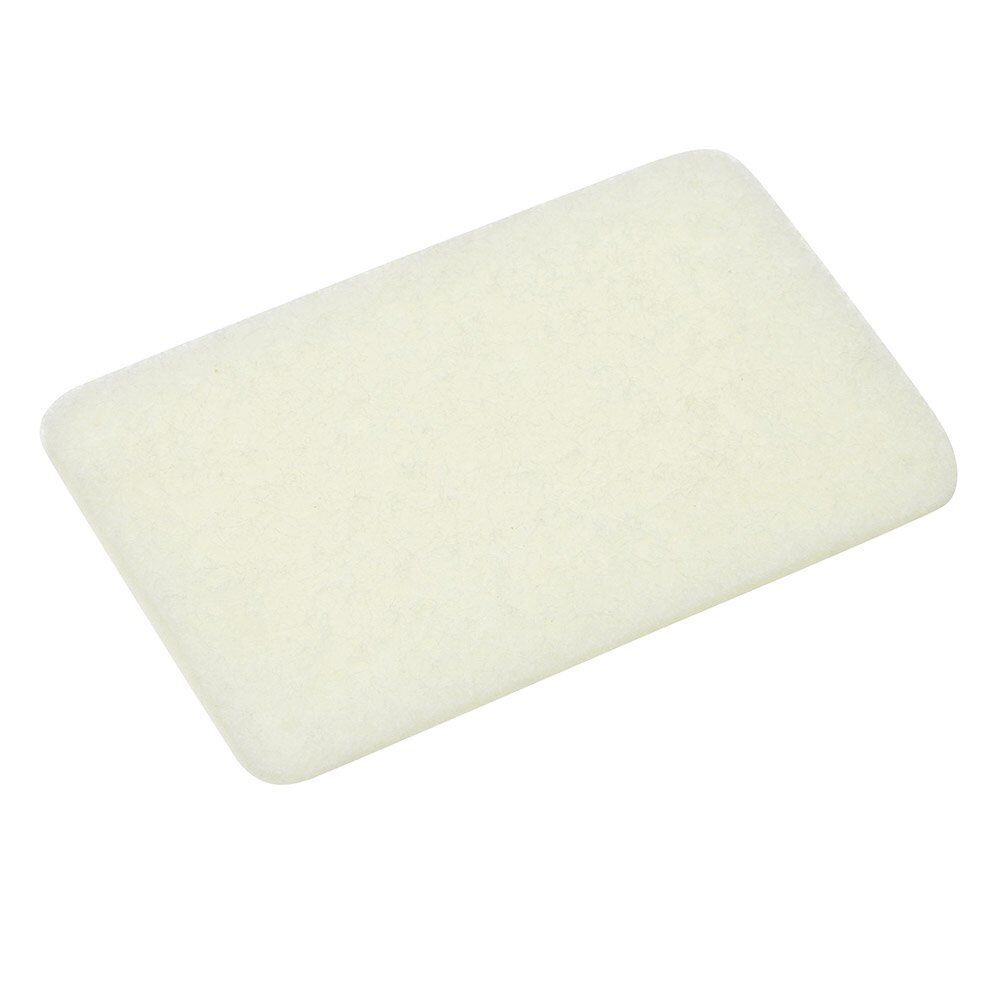
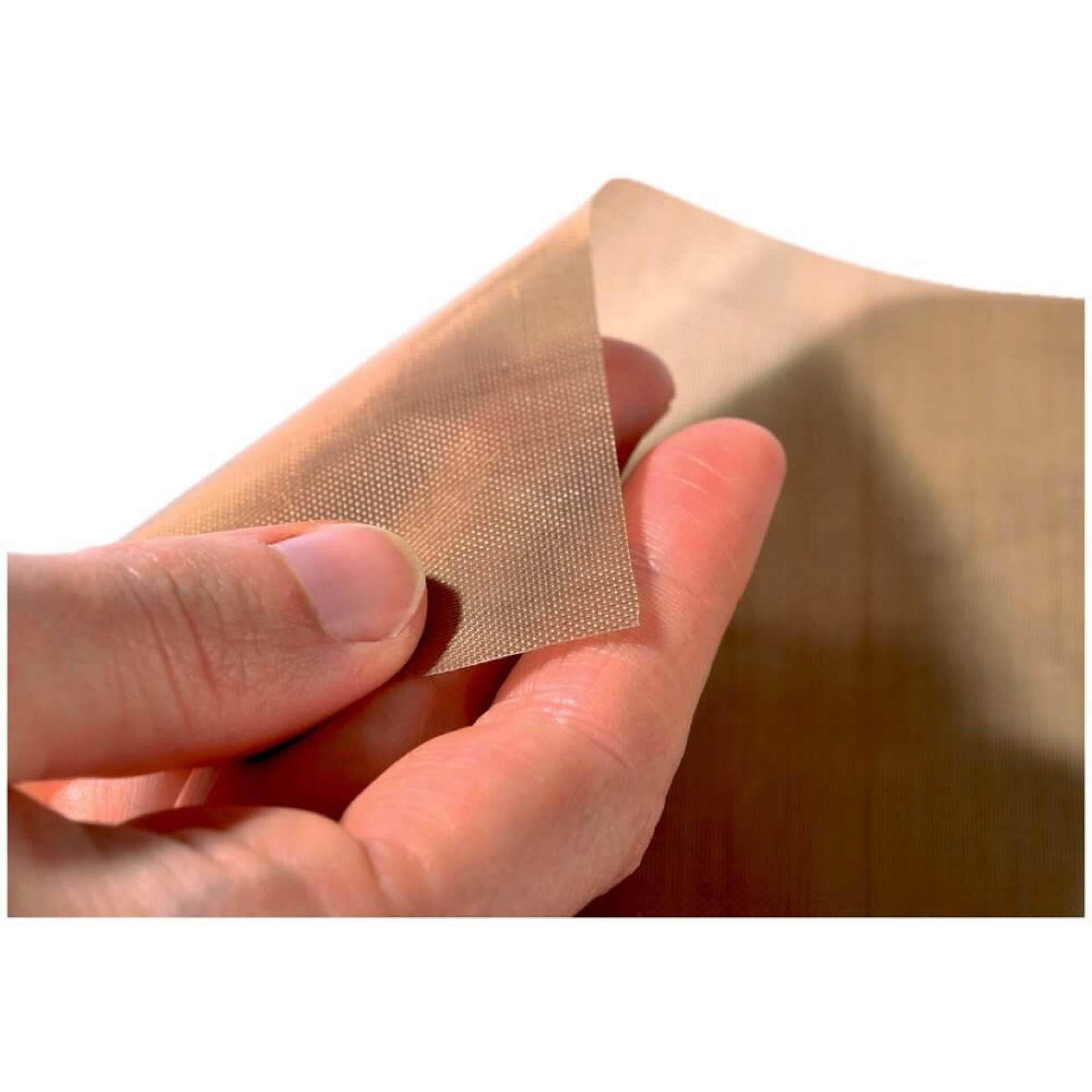
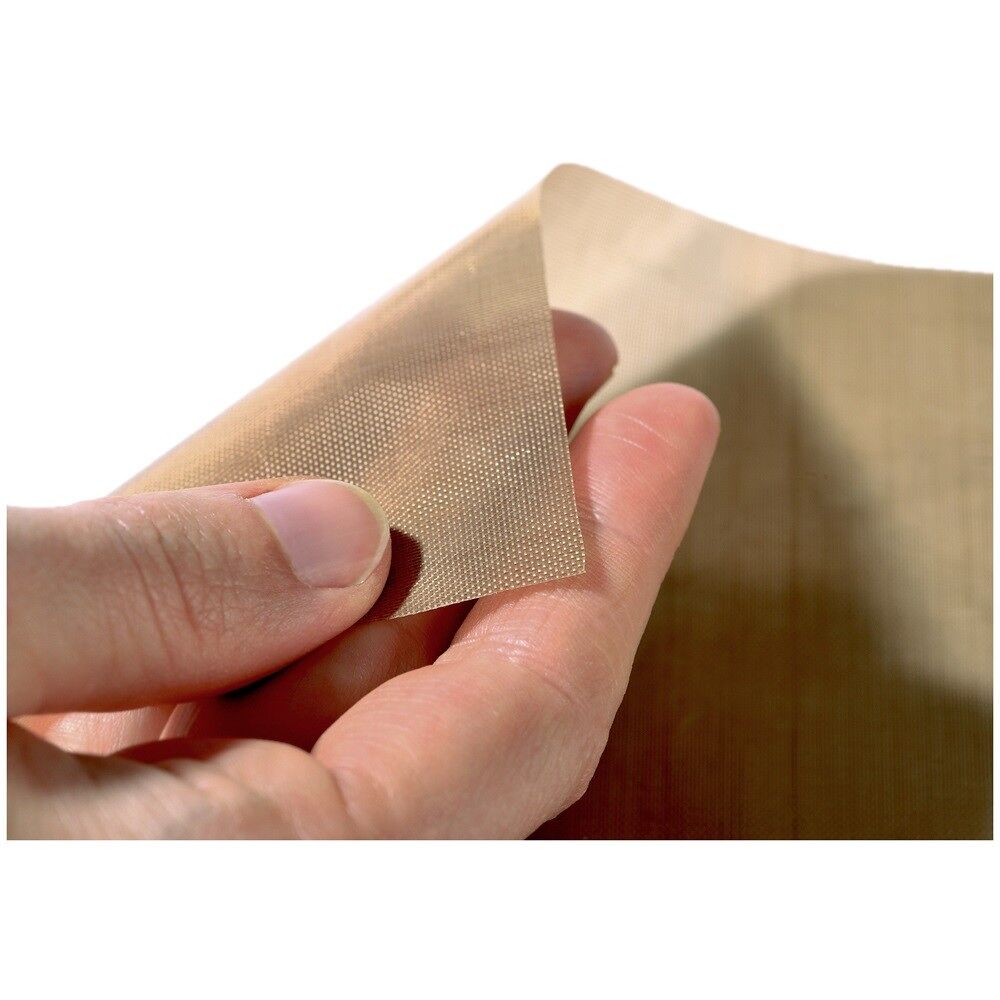
Don't forget the drying film
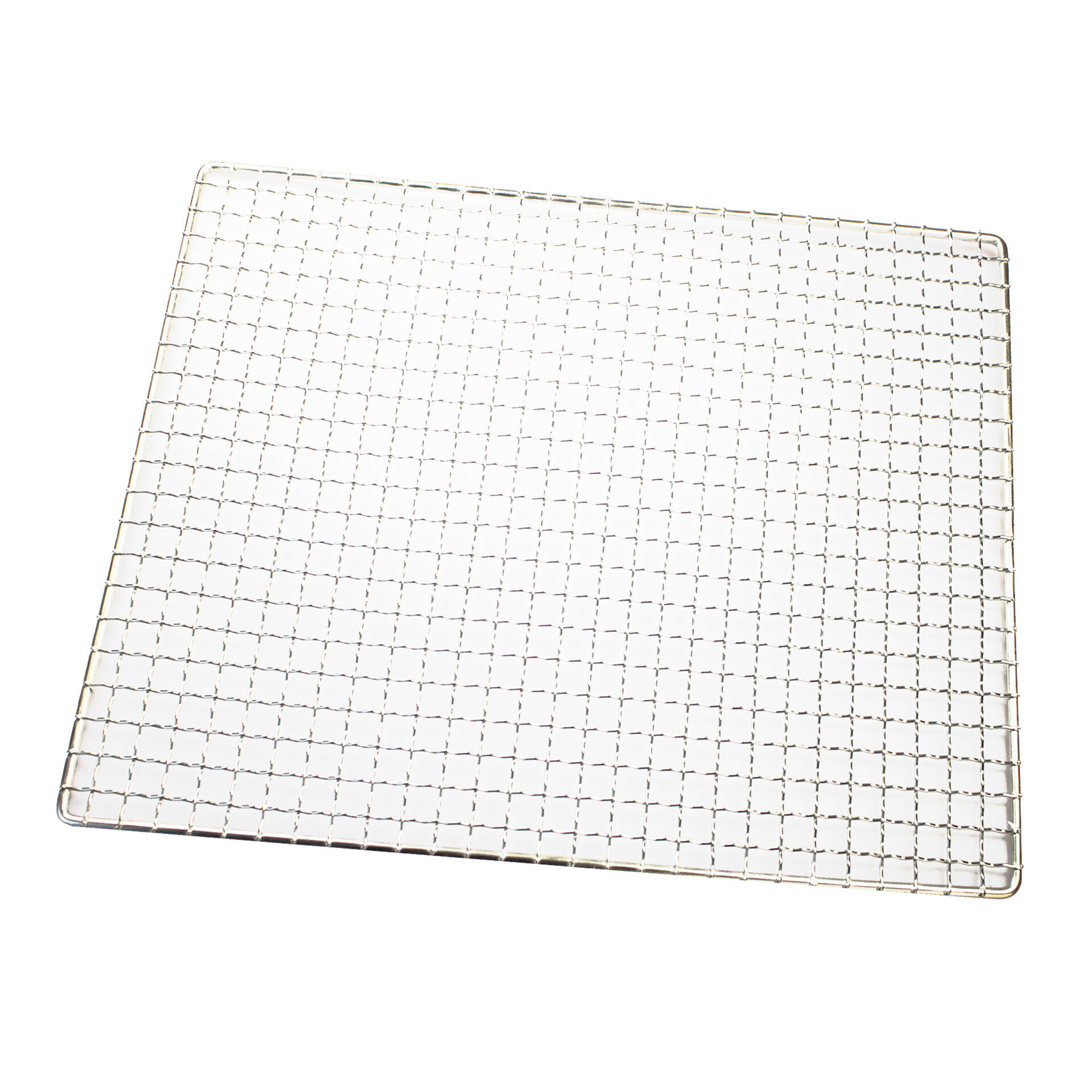
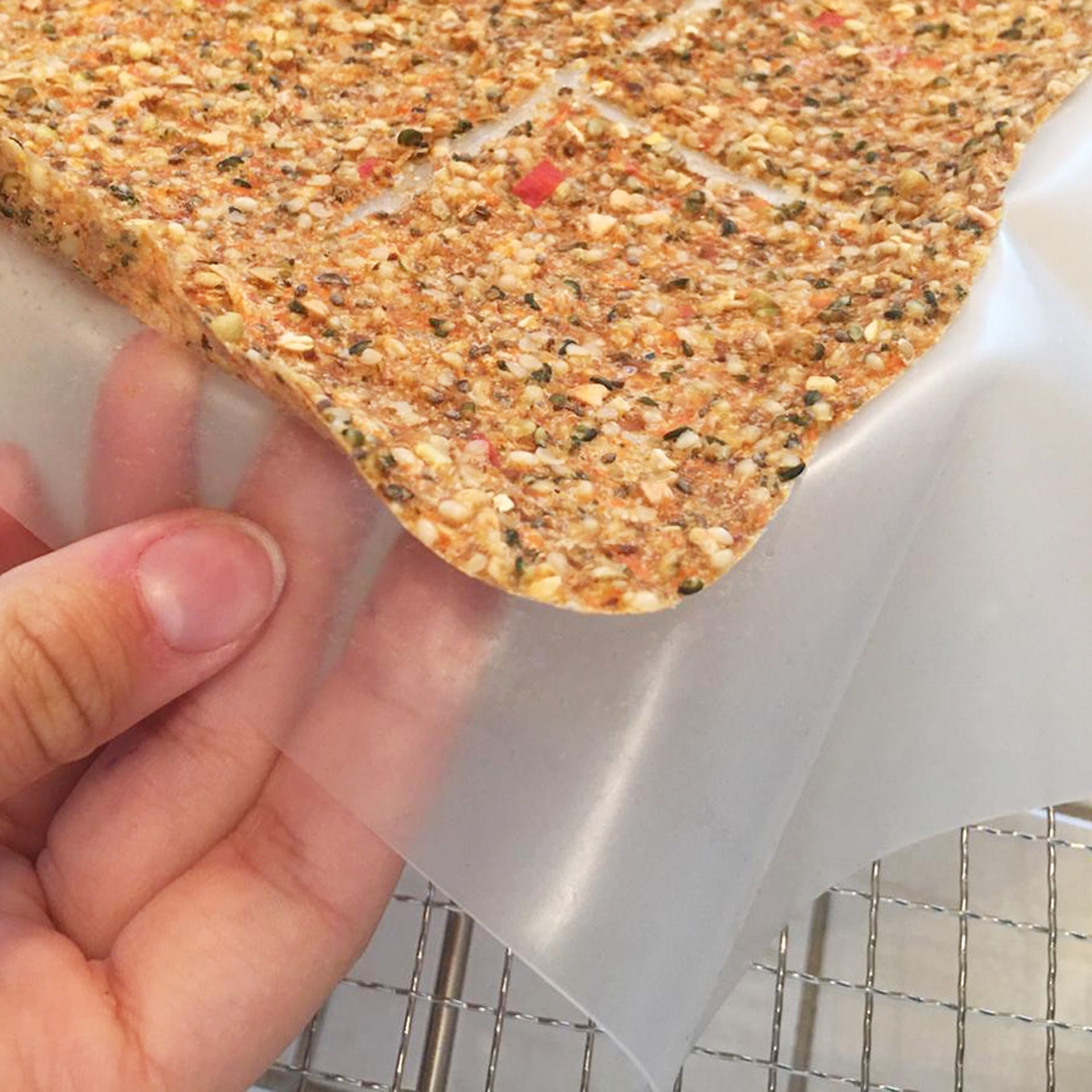
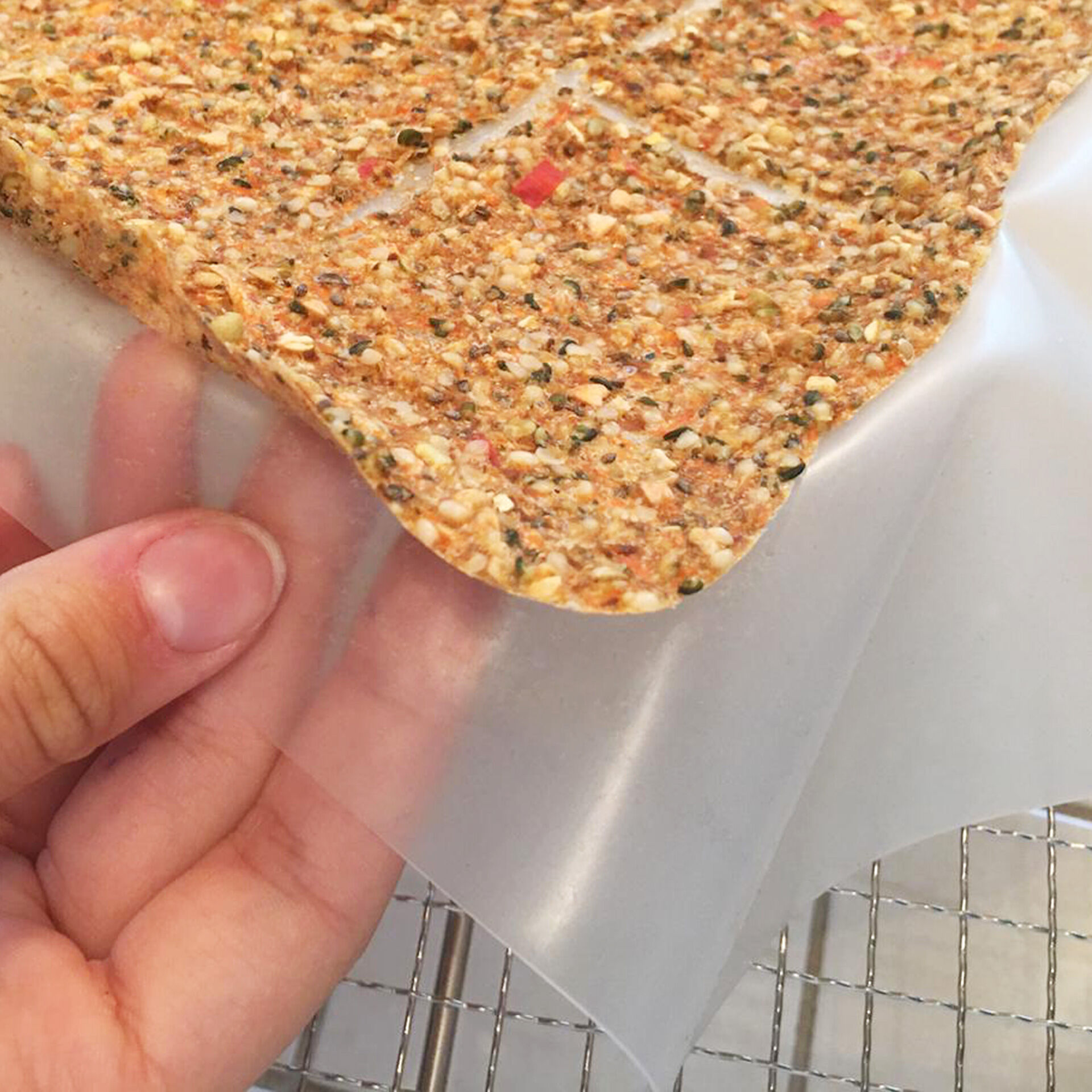
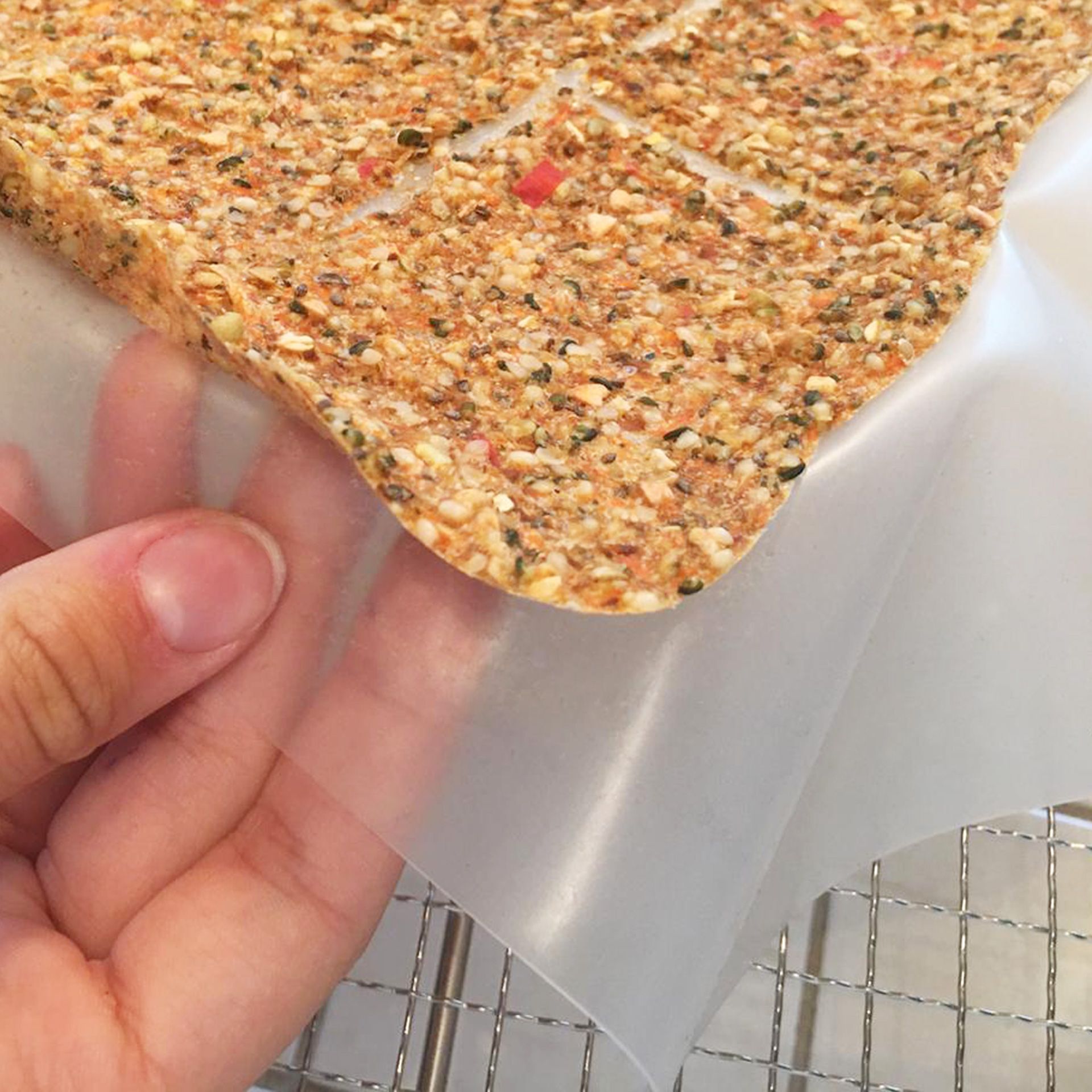
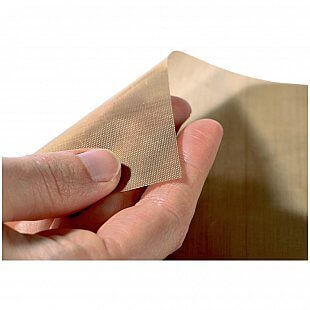
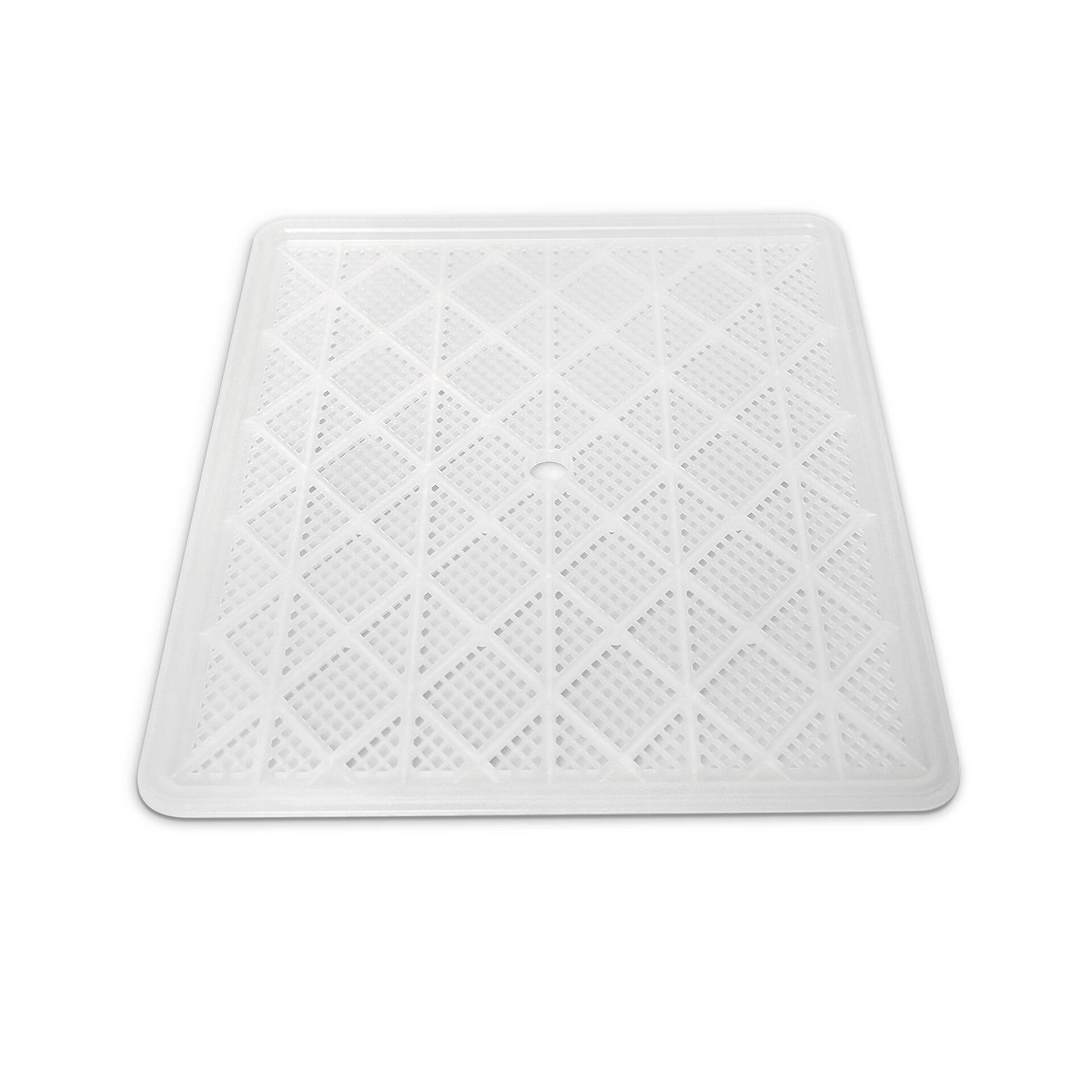
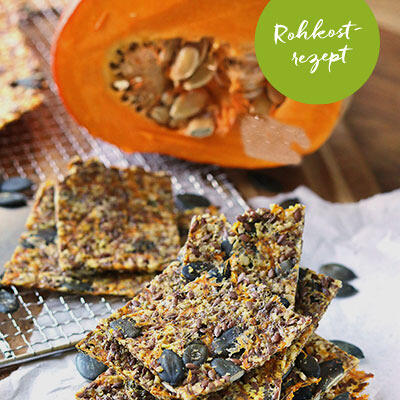
The removable grid shelves on which you place the food to be dried are made of BPA-free plastic or stainless steel, depending on the model. If you are drying soft, moist or small items such as fruit leather, pomace crackers or herbs, cover the trays with foil beforehand to prevent the food from slipping through and sticking to the drying rack. Instead of baking paper, we recommend special dehydrating film. They are reliable, easy to clean and reusable - which is also good for the environment! You can of course also findsuitable drying films for our dehydrators in our shop.
With a food dehydrator, you can discover intense flavours that you may never have experienced before. Preserving food in a food dehydrator is easy and completely safe. Just give it a try. Whether compact dehydrator or professional appliance - in our shop you will only find top quality dehydrators from brand manufacturers.
Frequently asked questions
How do I achieve the best results in the dehydrator?
The fresh products you want to dehydrate should be ripe, or even overripe. Even fermented fruit can be dried without hesitation if you first remove any damaged areas generously. Marinating before drying is a wonderful way to vary the flavour. Use fruit juices, oils or herbal essences, for example.
Is drying in raw food quality possible?
If
raw food quality is important to you when drying, set the temperature to 42-45° C for foods that are already low in water. For fruit and vegetables with a higher water content, you can initially set your dehydrator to a slightly higher temperature, for example 60° C. The initial strong evaporation removes heat from the dried food so that the raw food quality in the dehydrator remains guaranteed despite the higher ambient temperature. Some dehydrators in our range can be programmed so that the temperature is automatically lowered after a preset drying time, so that everything works automatically.
Where is the best place to set up my dehydrator?
A dehydrator naturally spreads some waste heat, moisture and flavours. To achieve optimum drying results, you should therefore choose a location with good air circulation. Cool, small, damp or poorly ventilated rooms (e.g. cellar, laundry room) should be avoided if possible.
How useful is a dehydrator?
A dehydrator is the perfect kitchen appliance for preserving fruit and vegetables, for example. A constant temperature and humidity can be set in the dehydrator so that the dried fruit does not start to mould during storage. Other foods can also be prepared in the machine and sometimes develop very intense flavours.
Are dehydrators energy guzzlers?
Compared to dehydrating in the oven, the dehydrators perform better in the test and are more energy-efficient. The wattage is the decisive factor in determining how much electricity the appliance consumes. This is stated on all appliances. As a rule of thumb, the lower the wattage, the more energy-efficient the power consumption.