Use of dehydrating film for dehydrators
There are many different
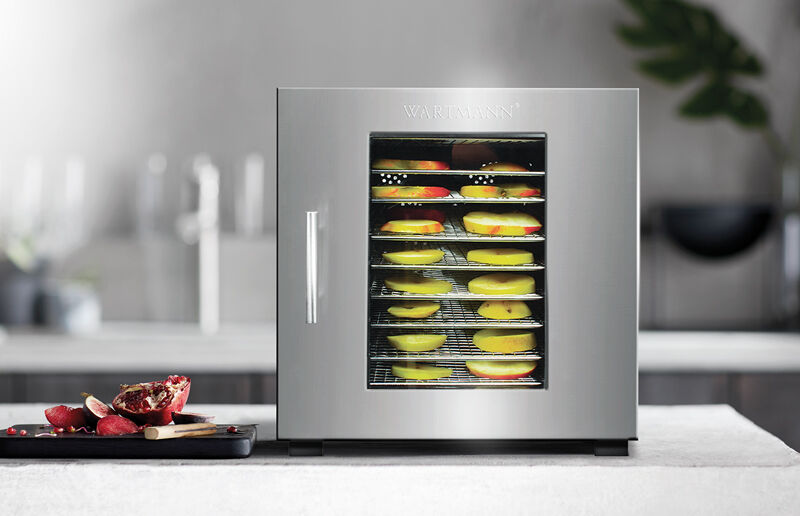
dehydrator recipes. Dehydrating preserves many of the vitamins and nutrients in fruit, meat and other foods, allowing you to produce long-lasting, healthy snacks. However, when products are dried in your
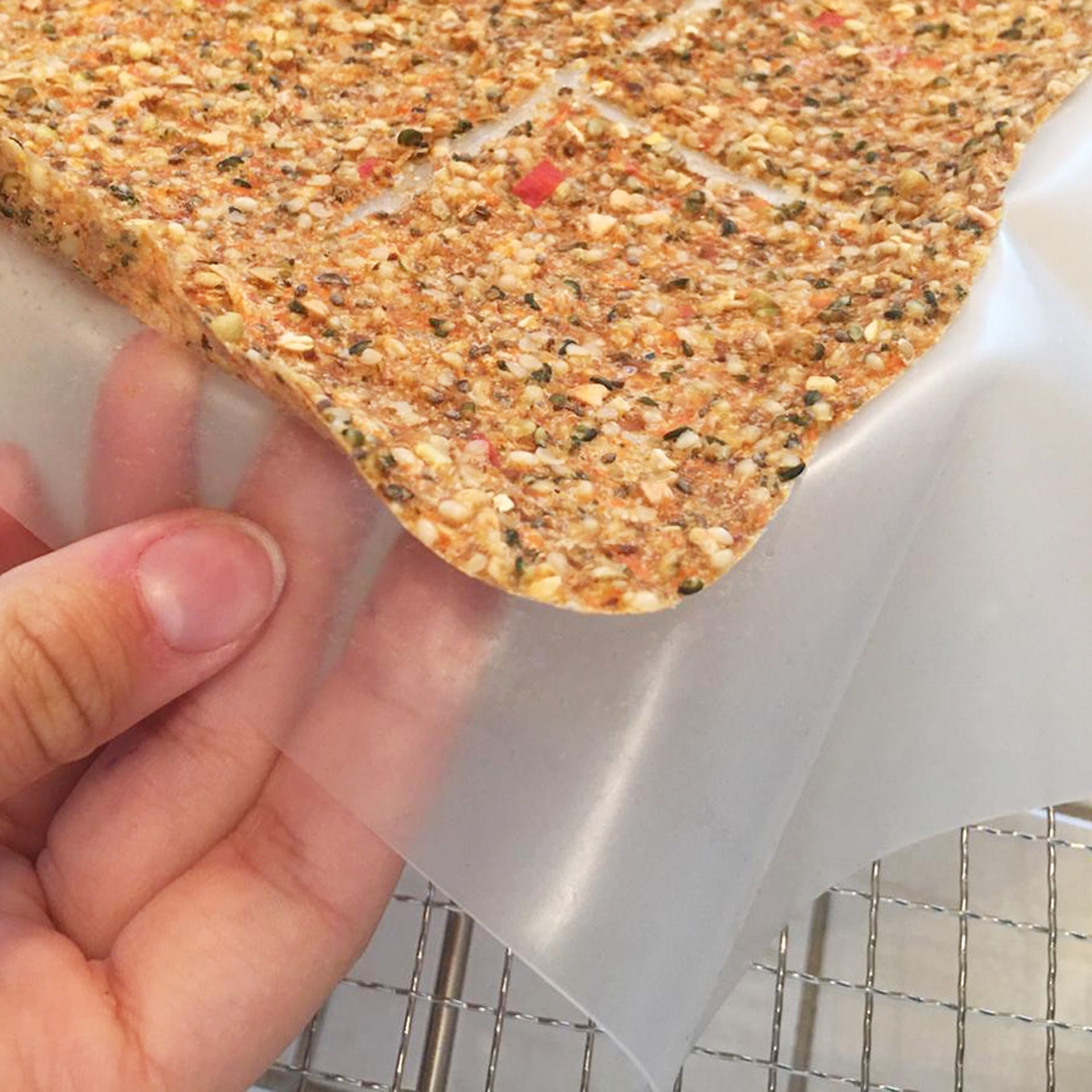
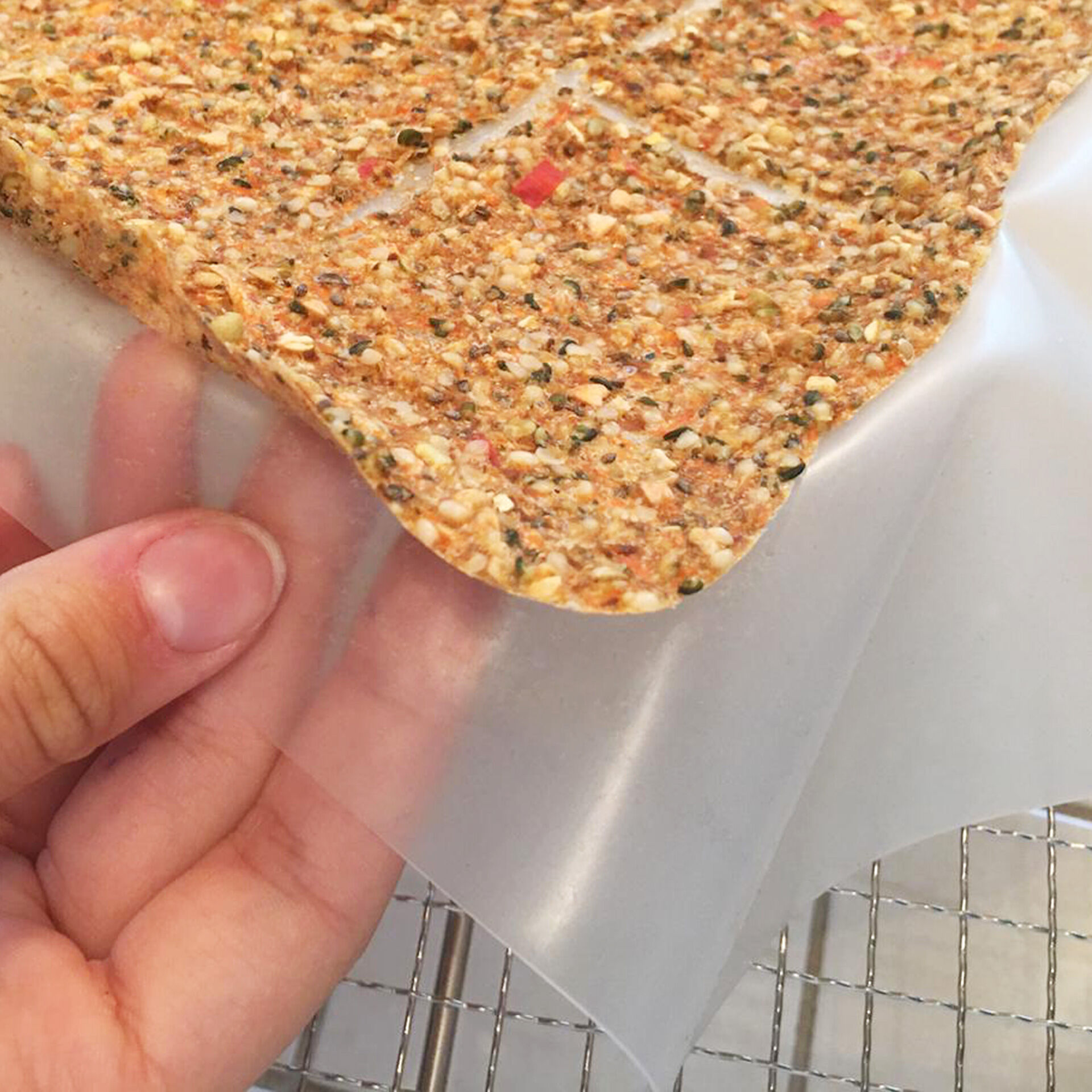
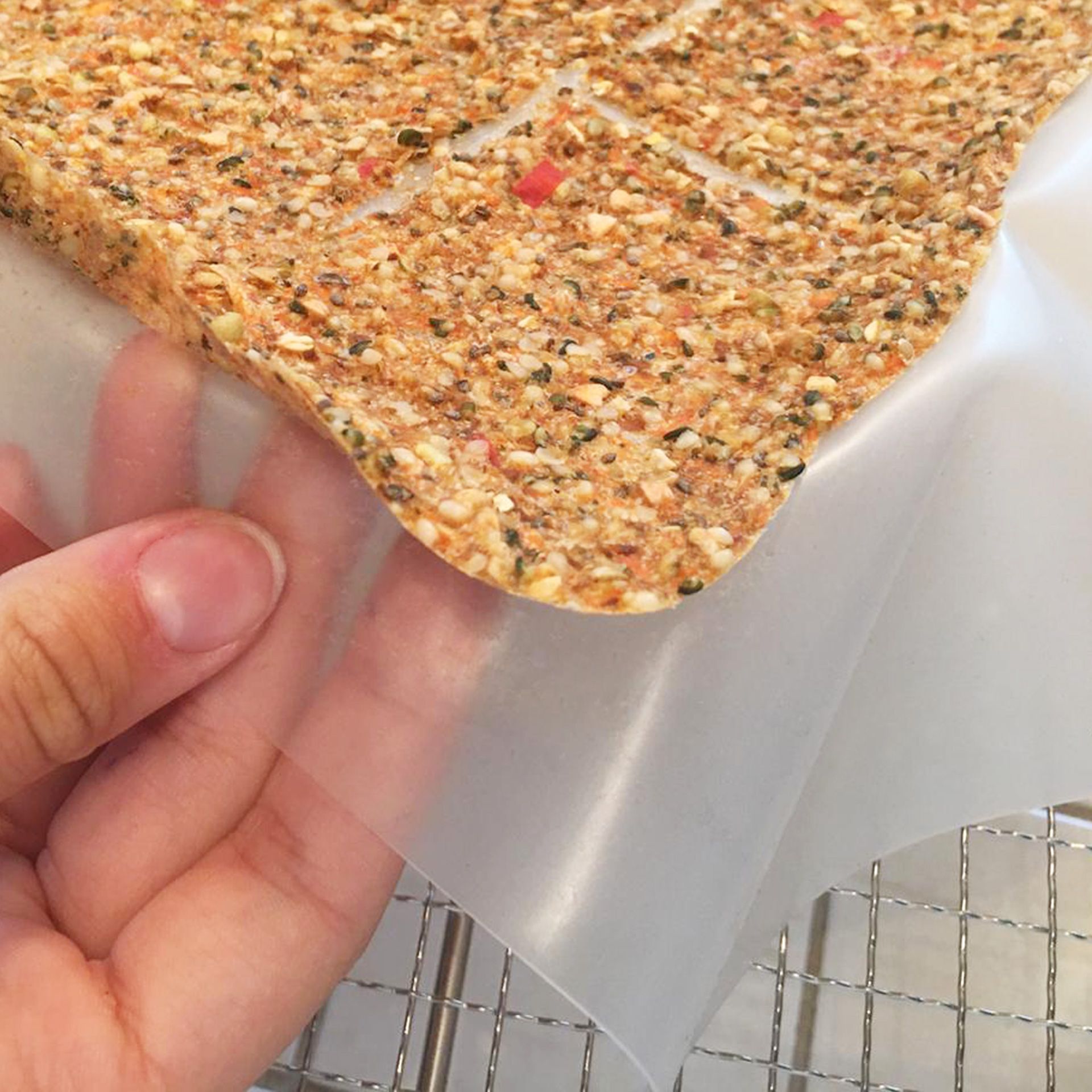
dehydrator, juice usually escapes from the food. By using a dehydrating film, you catch the water from the dried food and keep your appliance clean. For this reason, you can clean your dehydrator much more quickly and easily.
How to use a dehydrating film correctly
Using a dehydrating film is simple. To ensure that fruit leather and other tasty snacks are a guaranteed success, proceed as follows:
1. wash your dried food, dry it thoroughly and cut it into bite-sized pieces
2. place the dehydrating film in your appliance
3. distribute the dried food evenly and loosely in the dehydrator
4. start the dehydrating process
5. check whether the food to be dried is really dry at the end of the drying time
6. remove the food to be dried and the baking film
7. clean your dehydrator
The use of a dehydrating film is particularly advisable for very watery foods, where a lot of fruit juice escapes during the dehydration process. Apples, kiwis and grapes are typical examples of this. The juice collects on the film, which you can easily clean afterwards.
Frequently asked questionsWhat
is the difference between dehydrating film and baking paper?
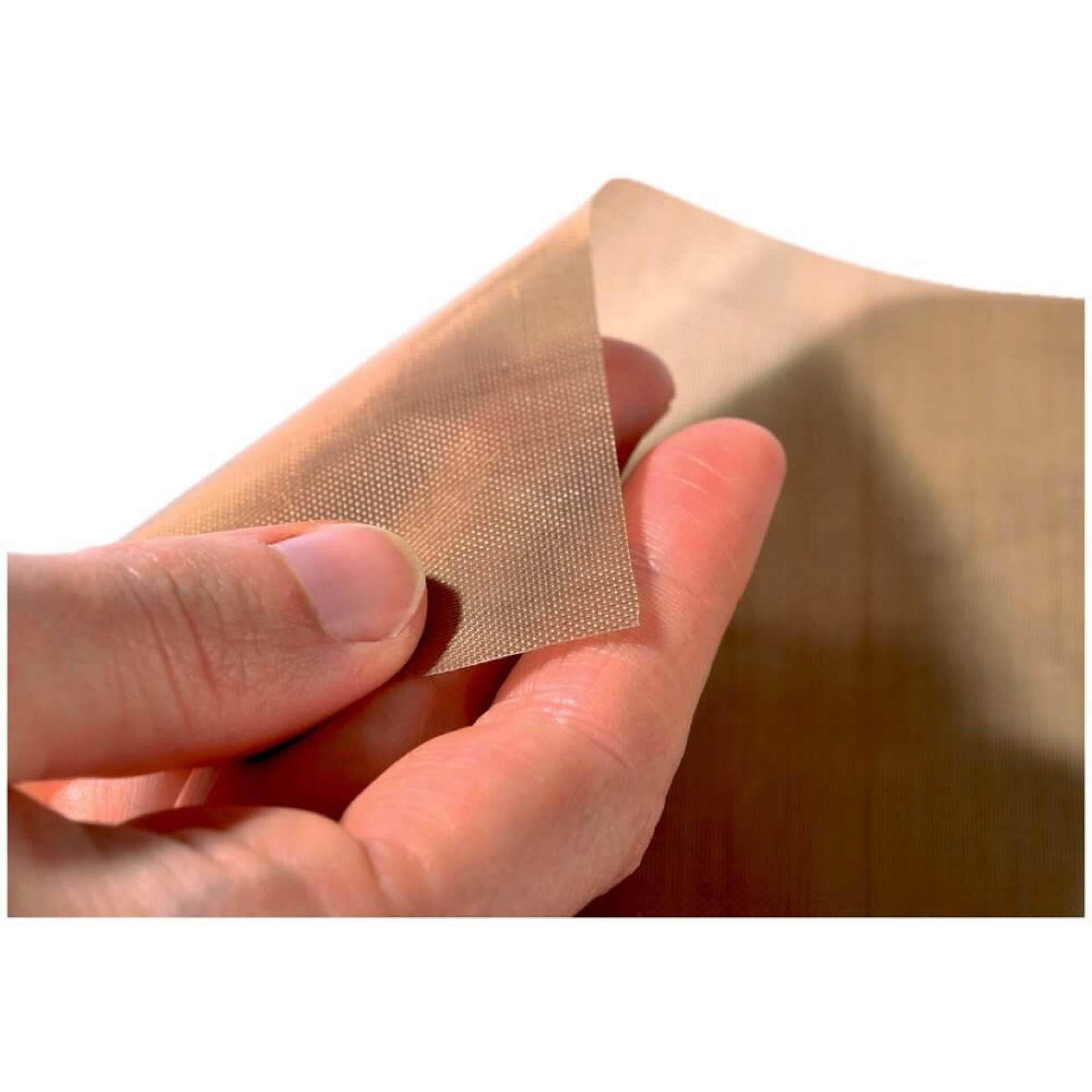
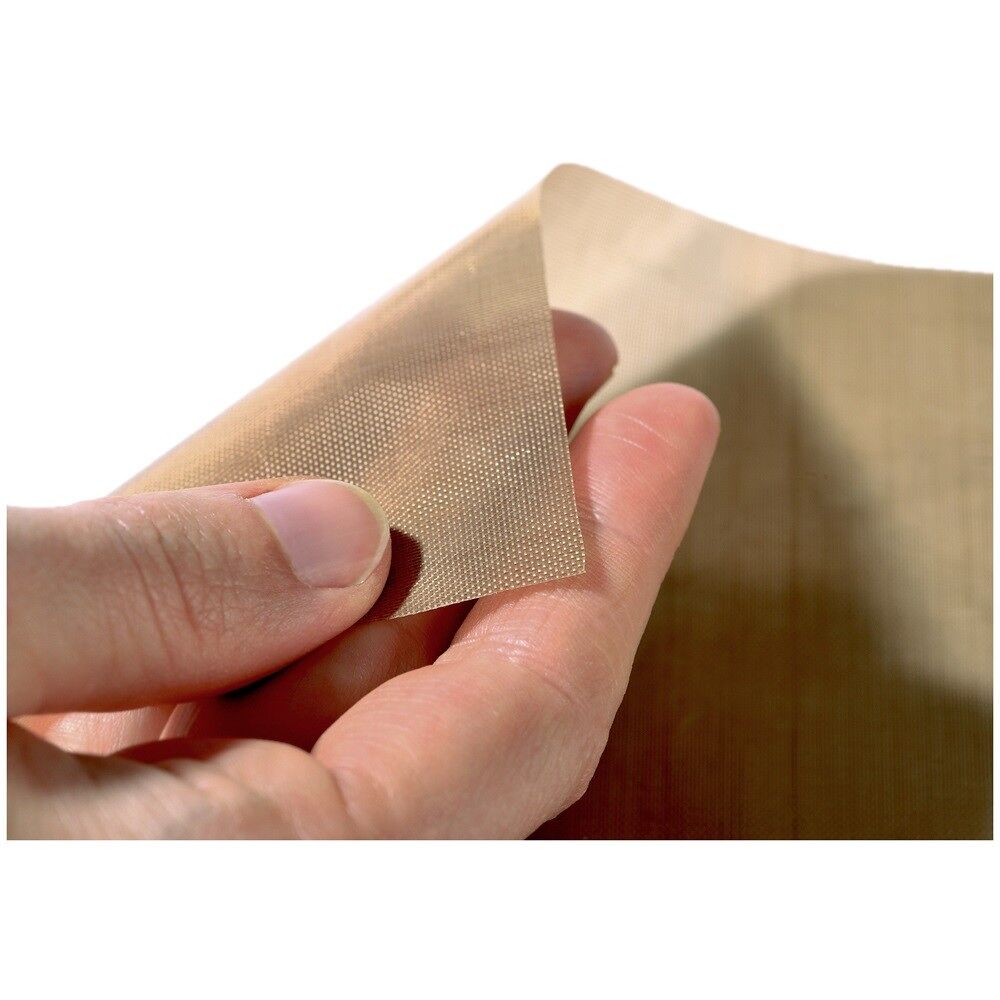
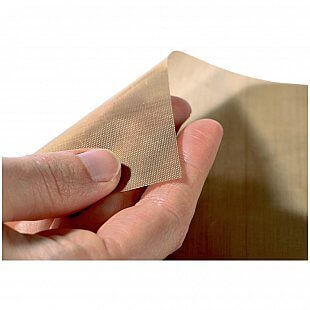
Dehydrating film is much more temperature-stable and can be reused. Dehydrating film is therefore basically a type of permanent baking film. A temperature of 250° C is generally not a problem for cling film.
Can the cling film be reused?
You can use a dehydrating film several times and clean it very easily after use. Unlike baking paper, this makes the cling film a reusable, sustainable product.
How do I dispose of a cling film?
Dehydrating film can be used several times without any problems. However, the cling film can also become brittle after several uses. Always dispose of the cling film in your residual waste. In this way, you make an important contribution to environmental protection.