Why we should include fresh juices in our daily diet

Discover the benefits of freshly squeezed juices for your health. Nutrient density, lots of vitamins and a variety of flavour combinations await you. Give it a try!
People who are interested in a healthy diet are primarily trying to optimise their nutrient intake. It is now recognised that fruit, vegetables, green leafy vegetables and herbs play an important role in meeting this requirement. However, our modern and hectic lifestyles do not always allow us to optimise our intake of these foods.
Do you sometimes ask yourself: "Have I eaten enough fruit and vegetables today? Am I getting enough of all the essential nutrients?" And do you think about how you can optimise your intake of vitamins, minerals, trace elements, antioxidants and enzymes?
Then we would like to introduce you to a great option: freshly squeezed juices.
The benefits of freshly squeezed juices
Freshly squeezed juices are a valuable addition to a healthy diet. This is mainly due to their high nutrient density, as they provide a wealth of essential vitamins, minerals and antioxidants that are important for your health.
Freshly squeezed juices also offer high bioavailability, as the nutrients are in liquid form and can therefore be better absorbed by the body. Most of the dietary fibre has been removed and they require very little digestive energy. Fruit and vegetable juices also contain many important antioxidants that can support your metabolic processes and your immune system.
Home-made juices from the slow juicer are a popular detox method and are used for detoxification. The concentrated ingredients, such as enzymes and phytochemicals, can support detoxification processes.
As juices are largely made up of water, they are a great way to hydrate and help us achieve our daily drink quota - with multiple benefits for your digestion by preventing constipation.
The natural sugars from fruit and vegetables provide readily available energy without the disadvantages of processed sugar, which is a highly processed extract product.
Fruit, vegetables and herbs are alkalising foods, as are the juices made from them. An alkaline pH can help to balance acidity in the body. An acid-alkaline balance is important for optimal health and can reduce inflammation.
Due to their soluble fibre, fresh raw vegetable juices are very valuable for your intestinal health, or more precisely for our microbiome, as the fibre serves as food for our "good" intestinal bacteria. It is now known that the gut is the most important organ for our immune system.
With homemade juices, you have an endless variety of possible combinations, as you can use almost all types of fruit and vegetables for juicing, but also grasses, herbs, wild herbs, sprouts or even young seedlings, the so-called micro greens.
Fruit juices vs. Vegetable juices
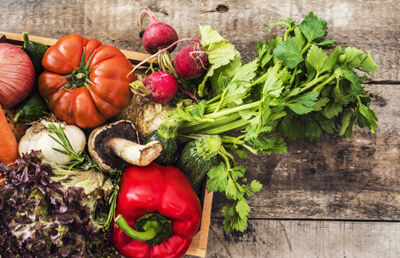
Vegetable juices generally have fewer calories due to their lower sugar content and are the better choice for those who want to watch their calorie intake. They are also richer in minerals. We therefore recommend drinking more vegetable juices than fruit juices. The most popular vegetable juice at the moment is probably Anthony William's celery juice. Green juices are also generally the healthiest juices because they are very rich in minerals and chlorophyll.
Why we should prepare fresh juices
We only recommend drinking freshly squeezed, home-made juices from a juicer, as store-bought juices from a bottle or Tetrapak from the supermarket or health food shop are unfortunately usually ultra-high temperature. They are often several months old before they end up in our glass. If you want the full nutrient content, a juice in raw food quality, in which the important and above all heat-sensitive vitamins and enzymes are still preserved, you should do it yourself. With the modern slow juicers available today, juicing is child's play.
Why a gentle juicer is important
In the Keimling range you will only find slow juicers, so-called slow juicers. These are characterised by a low number of revolutions and special pressing processes that juice the ingredients gently, with a high juice yield and the best possible juice quality. Centrifugal juicers, on the other hand, work at high speeds and swirl in more oxygen during the juicing process. The juice is also warmer than with a slow juicer due to the significantly higher rotational speed. Many foods, such as grasses or herbs, cannot be juiced at all with a centrifugal juicer. Slow juicers are also significantly quieter in operation. For these reasons Keimling Naturkost only offers slow juicers.
Which slow juicer for which juices?
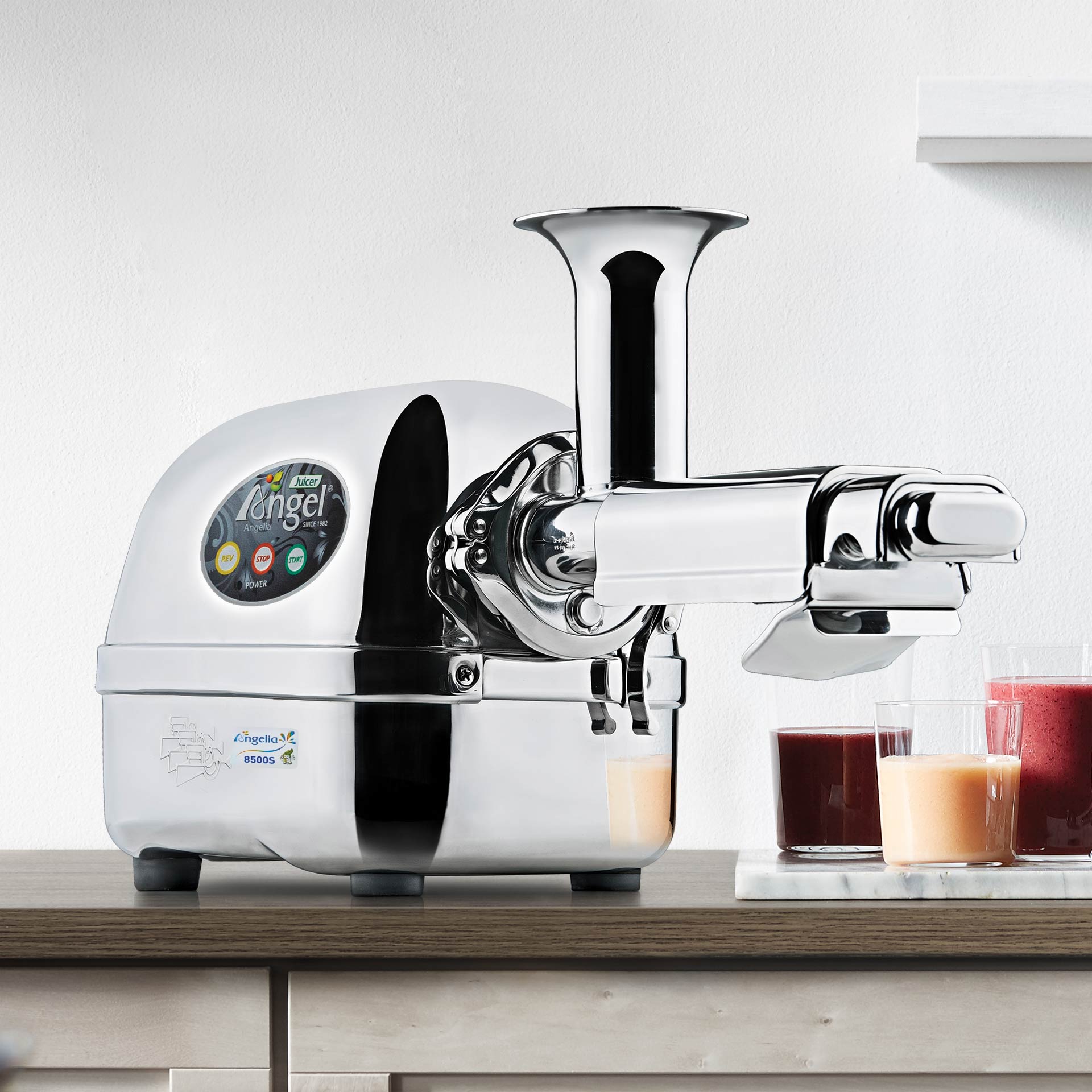
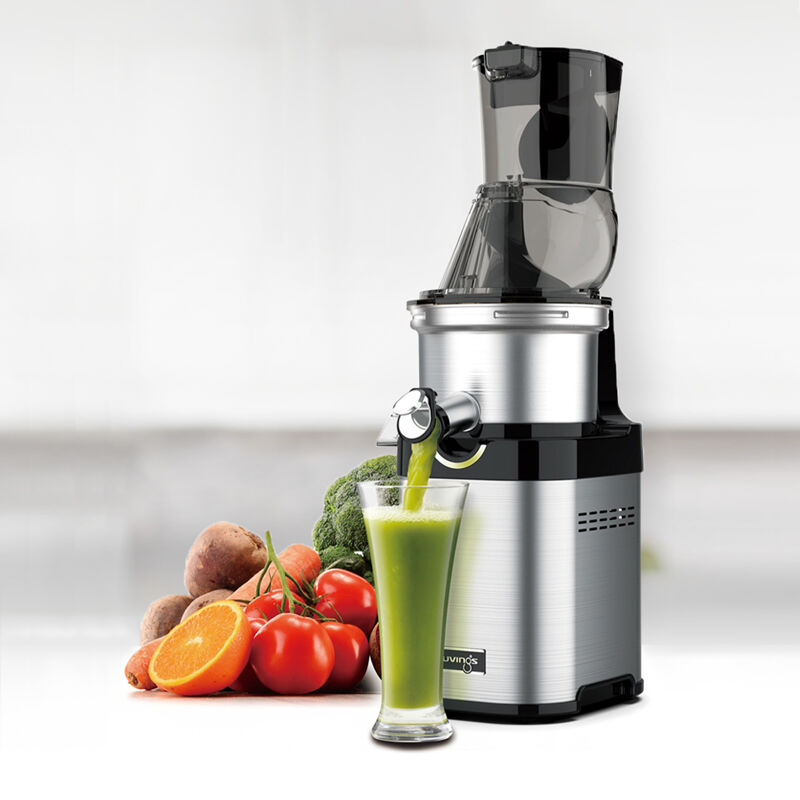
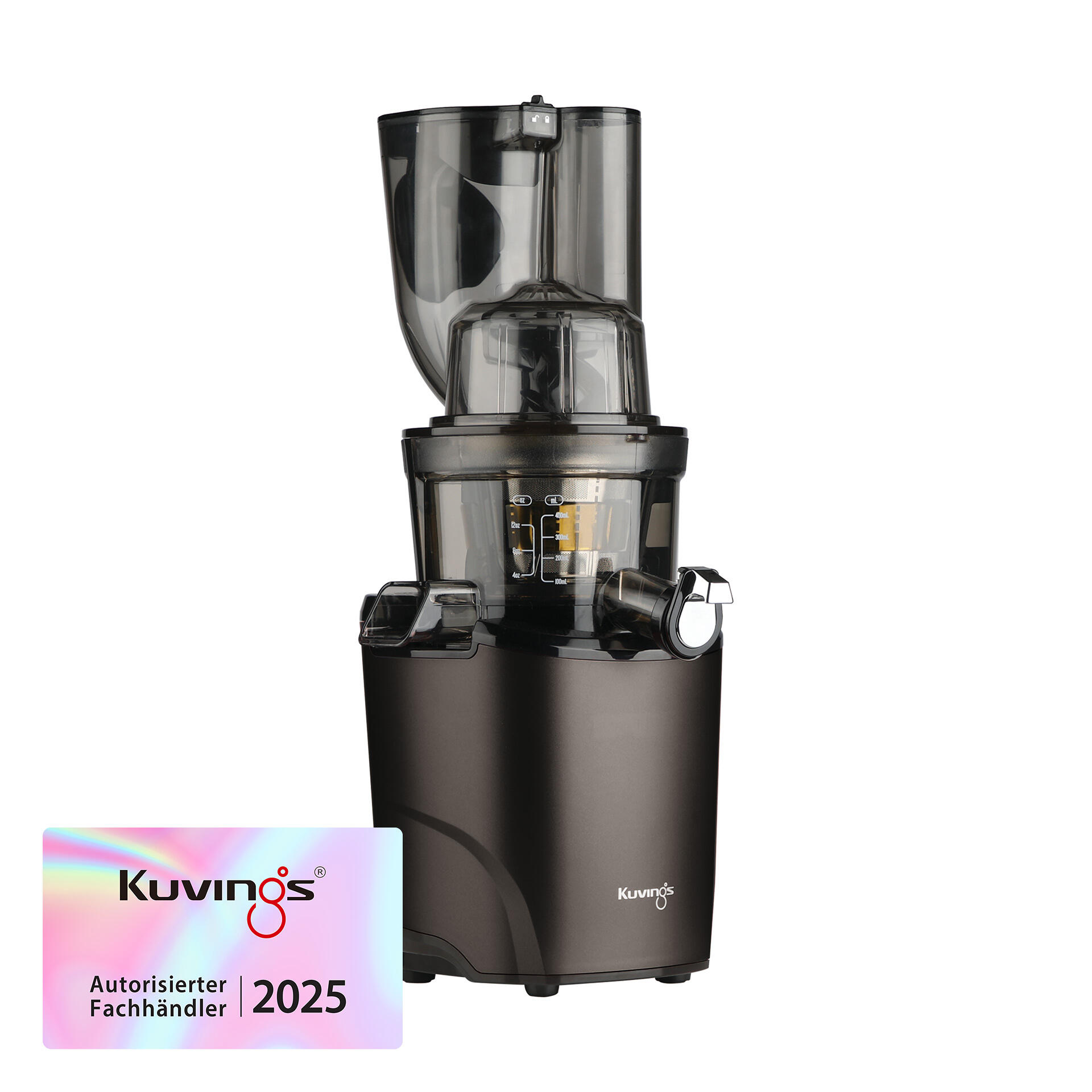
Slow juicers are available in two versions: vertical and horizontal. Vertical slow juicers are higher and take up less space than horizontal slow juicers. Horizontal juicers are lower, but require a little more floor space. Vertical juicers only ever have one pressing screw, while horizontal appliances also have models with so-called twin pressing rollers (Angel Juicer and Tribest Green Star). Both types of juicer are equally suitable for making fruit and vegetable juices. However, vertical juicers have the advantage that they are better at juicing soft and ripe fruits such as kiwis, pineapples, apples and many more, while horizontal juicers are better at juicing fibrous and green foods such as grasses, herbs and dark green leafy vegetables such as celery stalks. So if you want to press a lot of long-fibre and chlorophyll-containing foods, a horizontal juicer is better for you.
Comparison of juices and smoothies
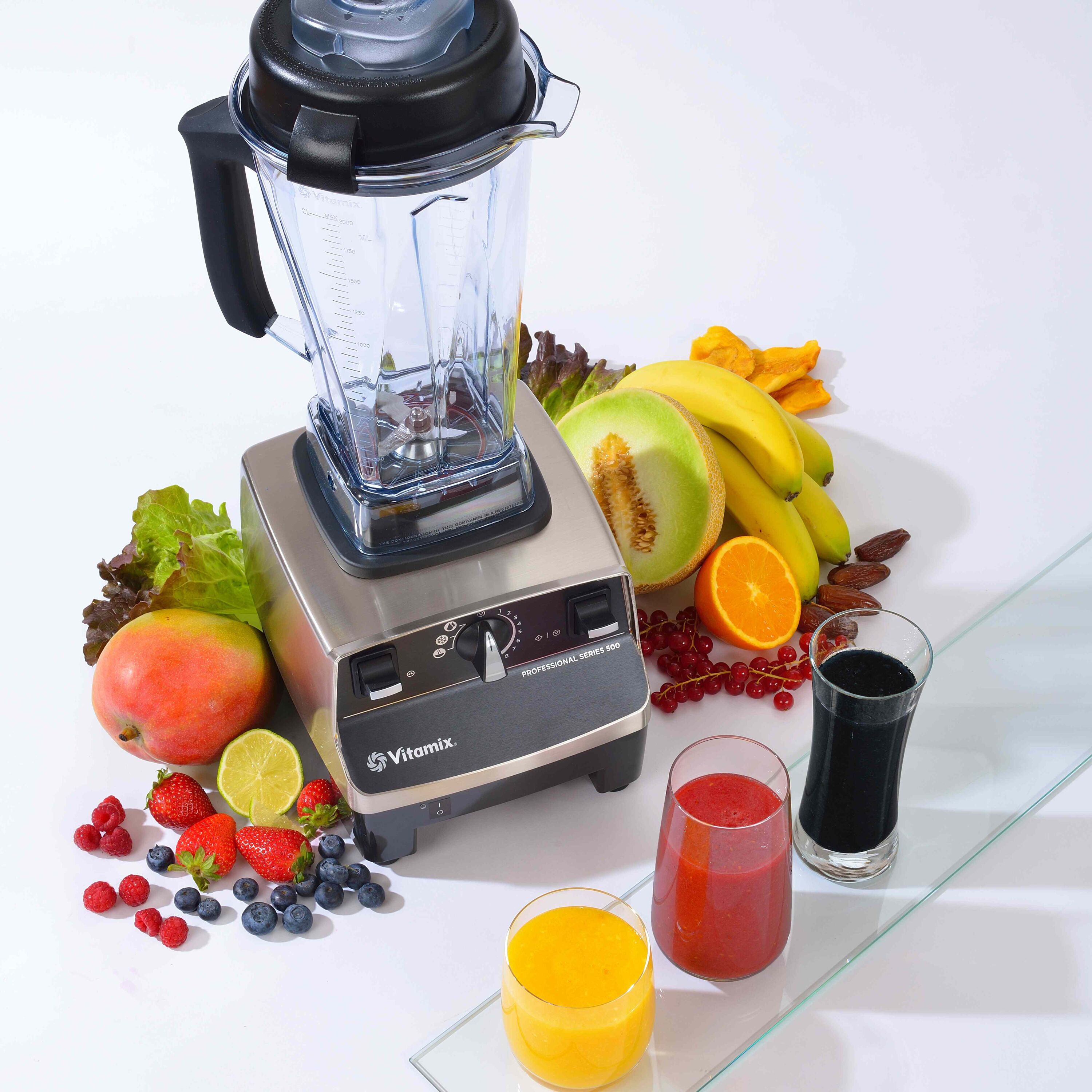
Compared to smoothies, juices (Recipe: green smoothies) only contain a small amount of fibre. However, the advantage of easy digestibility due to the reduced fibre is also a disadvantage. The lack of fibre leads to a greater increase in blood sugar levels after drinking fruit juices. Smoothies, on the other hand, which contain all the ingredients of fruit and vegetables, offer the advantage of fibre. This has a positive effect on blood sugar levels and also makes you feel fuller for longer. Some people may have difficulty digesting whole fruit, especially those with sensitive gastrointestinal conditions such as irritable bowel syndrome. In such cases, juice can be a more digestible option as it contains less fibre, which could potentially cause digestive discomfort.
Buying ingredients for freshly squeezed juices
There are a few things to consider when buying the food for your juices to ensure the best possible juice quality and nutrient density. Our first piece of advice is to favour organic produce where possible, as this is free from harmful pesticides and chemical residues and also often offers a more intense flavour and higher nutrient concentration due to being grown on healthier soils. Another tip is to use seasonal produce. These are usually fresher and riper and also cheaper. When buying juice ingredients, make sure that the fruit and vegetables are firm and undamaged and avoid overripe fruit (this is then more suitable for smoothies). The juice can only be as good as the ingredients that are added to the top of the juicer's feed chute.
Storage and shelf life
We recommend only juicing as much juice at once as can be drunk straight away. This way you benefit from the best possible nutrient density and juice quality. If the juice is to be stored, it is important to keep it in a cool, dark place, preferably in airtight glass containers or bottles in the fridge. Juices should be consumed within 24-48 hours. A small amount of lemon juice can also be added to the juice for storage to further reduce oxidation.
Sustainability when juicing
Sustainability can also be practised when juicing, and here too there is a trick to reducing waste and conserving resources. One option is to use the residue (pomace) that is produced during juice production. These can be used in various recipes such as bread, smoothies, soups or as an ingredient for vegan burgers. This not only minimises waste, but can also increase the nutritional density of meals.
<img src="https://aejmlyuldr.cloudimg.io/keimling.de/media/ba/2f/65/1648800290/92206__01__Selleriesaft_von_Anthony_William_Hardcover_1920x1920.jpeg?w=800&func=bound&org_if_sml=1" alt="Celery juice book by A. William" align="centre" hspace="20" vspace=10 height="300px" width="25%" class="img-fluid">
Recommended books on the subject of juices
Here is a book recommendation for all those who want to learn more:
Celery juice book by A. William (to the book)
Conclusion
Including fresh juices in your daily diet is a valuable addition to a healthy diet.
By juicing fruit and vegetables, we can increase our intake of vitamins, minerals, antioxidants and phytochemicals that can protect against disease. Juicing can be a useful way to increase the intake of nutrients, especially for those who find it difficult to consume the recommended amount of fruit and vegetables.
With the right slow juicer, juices can be made in less than 10 minutes. We will be happy to advise you on choosing the right juicer for you. You will also find numerous popular juice recipes on our website, which you can use to immerse yourself in the world of freshly squeezed juices.
Related products


Available, delivery time: 1-3 days