

How to become vegan - step by step
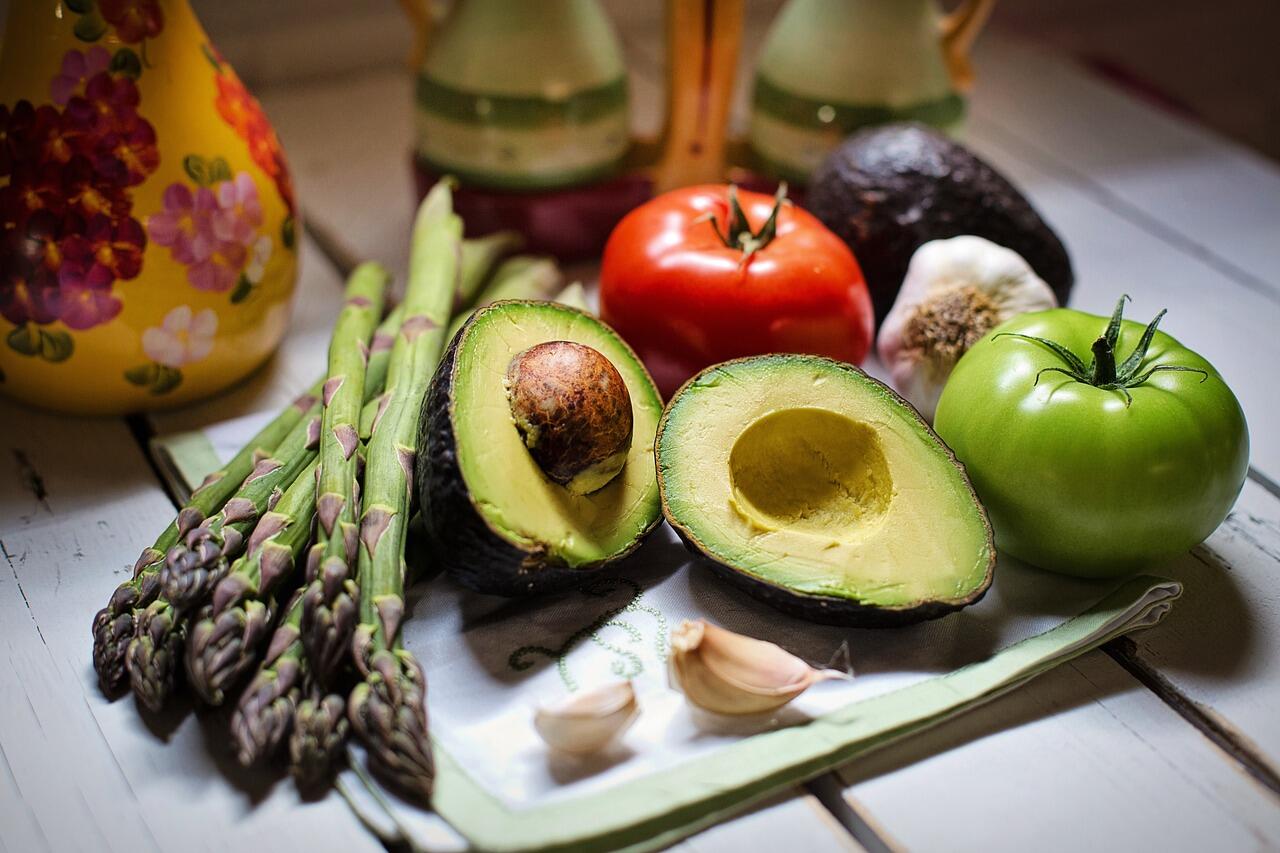
Have you decided to go vegan from now on? Congratulations! This is a significant step. Switching to a vegan diet requires some preparation, for example to ensure that you get all the nutrients you need. Below, we give you some helpful tips on how to make the transition to a vegan lifestyle a smooth one.
How do I act sustainably?
Sustainability is a key issue of our time. It is essential that we behave sustainably. How can this work? Answer: There are many ways to behave more sustainably. By using sustainable materials, for example. Example: Do you want to build a greenhouse? Then opt for a wooden greenhouse. Wood is very sustainable for several reasons. Did you know that a garden shed built from wood binds CO₂ for many years to come? Or that wood contributes to biodiversity by protecting the habitat of plants and animals? Did you know that wood can be wonderfully reused? For example, by burning it after use to generate new energy or by recycling it, for example into chipboard?
But you can do even more for sustainability than opting for products made from wood. You can eat a vegan diet. But a vegan diet is not only environmentally friendly, it is also particularly ethical and has a number of health benefits for you.
3 reasons why you should go vegan
There are many reasons to follow a vegan diet. Everyone who decides in favour of a vegan lifestyle has their own individual reasons.
Reason 1: You are doing good for the environment
Animal husbandry harms the environment. A lot of water is needed, grazing land is created through deforestation and the methane from animal husbandry leads to high greenhouse gas emissions. By avoiding animal products, you reduce your ecological footprint. And that quite considerably.
Reason 2: You are promoting animal welfare
Animal welfare is probably the main motive for most vegans. Many animal products on the market are based on factory farming. Everyone is probably familiar with the images of animals that have to live in far too cramped and agonising conditions. By not eating animal-based foods, vegans want to help prevent animal suffering.
Reason 3: You are doing your health good
Eating a vegan diet can have a number of health benefits for you. As you eat more plant-based foods, you consume more fibre and vitamins, for example. Vitamins ensure that your immune system and cardiovascular system are strengthened. Fibre, on the other hand, keeps you full for a long time and can help you maintain your weight.
The transition to a vegan lifestyle
The following tips will show you how to make the transition to a vegan lifestyle:
Tip 1: Research vegan nutrition
Before you start, find out all you can about the vegan diet. You need to understand what nutrients your body needs and how you can get them from a vegan diet.
For example? Your body needs iron. In plant-based foods, iron is very often found in leafy vegetables. However, it is good to know that this iron can be better absorbed by the body if you combine it with foods that contain vitamin C (e.g. peppers).
Tip 2: Take small steps
Change is difficult. We need time to get used to new habits. It can help to make the transition to a vegan lifestyle step by step:
- You could start by making just one meal vegan at first. How about eating a vegan breakfast?
- You could replace individual animal products. How about drinking your coffee with plant-based milk from now on? There are many different milk alternatives that also foam excellently and are therefore great for cappuccinos and the like. are suitable.
- You could start with a Meatless Monday and then slowly increase .
Tip 3: Try out new recipes
Vegan is anything but boring. There are plenty of cookery books and baking books that offer varied cuisine and you can also find lots of vegan recipes online.
Start looking for vegan recipes and cook them. This doesn't mean that you have to give up traditional recipes from now on. No, there are plenty of ways to make traditional recipes vegan by using plant-based alternatives, for example by using tofu instead of meat.
Tip 4: Keep an eye out when shopping
Many foods contain animal products - hidden in whey or gelatine, for example. Pay attention to the ingredients list when you go shopping. Over time, it will become easier and easier to find vegan alternatives. There are now more and more vegan alternatives to yoghurt, cheese, pudding and the like on the market.
Tip 5: Pay attention to nutrients
There are certain nutrients, such as the B12 vitamin, that are mainly provided by animal sources. It may be necessary to take vitamin B12 supplements. It is best to speak to a specialist about this topic.
Tip 6: Find a community
It's more fun together, isn't it? Connect with other people to motivate each other and exchange ideas. There are many vegan forums and Facebook groups. In some cities, there are also vegan cookery courses where you can meet like-minded people.
Tip 7: Get rid of your perfectionism
Do you want everything to go perfectly right from the start? The transition to a vegan lifestyle is anything but easy. Be patient with yourself, you don't have to be perfect. Allow yourself to grow with this situation and keep learning and learning. See the transition as a process, as a path you are travelling.
Conclusion: There are many compelling reasons in favour of a vegan lifestyle. Many people who decide to go vegan have animal welfare at heart. The decision to eat only vegan food from now on is a significant step that can be taken with a lot of patience. It is important not to be too hard on yourself during the transition. Not everything has to be perfect right from the start. The journey is the goal.