

The most important information about raw food nutrition
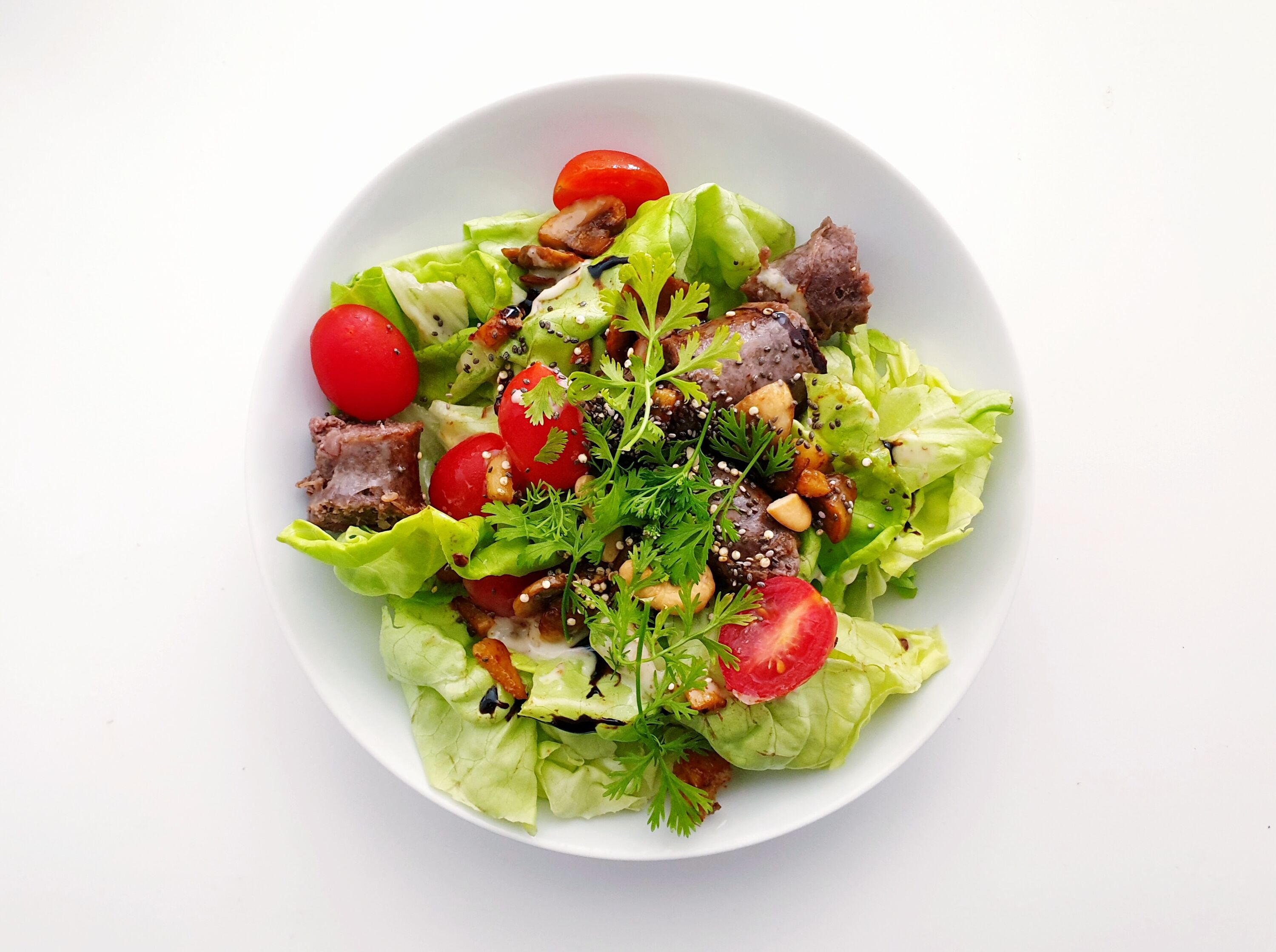
Some call it raw food, others raw food. Behind both terms lies a fresh world of enjoyment full of creativity, flavour and fun.
Raw food is so versatile - even without 100% raw food content
Some raw foodies or raw foodists eat exclusively raw food. Others try to include at least 80 per cent raw food in their diet. This is because it is said that if you eat 80 per cent or more raw food, you are considered a raw foodist. Some also live according to the Raw till 4 principle. Here, they only eat raw food until 4 p.m., after which they also eat cooked food. Here, only raw food is eaten until 4 p.m., after which it may also be cooked.
Raw food can be prepared in many different ways
Raw foodists can only smile wearily at the classic vegetable sticks, as raw food offers a wide range of preparation options. For example, dehydrating, mixing, juicing, marinating or fermenting. Prepare dips, fruit purees, nut cheeses, confectionery and other treats and experiment with flavours and textures.
In gourmet raw food, food is also heated to concentrate flavours and achieve a different food texture. At a temperature between 42 and 50°C, you can marinate vegetables and conjure up breads, crackers, crunchy muesli or a delicious pizza from the dehydrator. Some people become real raw food chefs.
Various raw food concepts
Most raw food concepts revolve around vegan raw food. However, there are also raw foodists who follow a vegetarian diet and sometimes also eat raw meat and fish. Some raw food teachings even integrate cooked and roasted foods. There are arguments in favour of every concept and every raw food movement has at least one famous representative. For example, the primal diet according to Franz Konz, the Fit for life concept by Marilyn and Harvey Diamond, Helmut Wandmaker's sun diet or the 80/10/10 diet according to Dr Douglas N. Graham. And some concepts are even based on others - it's easy to lose track...
The 12 most important raw food concepts in a nutshell:
- Urkost (Franz Konz): vegan raw food with a high proportion of wild greens
- Sonnenkost (Helmut Wandmaker): vegan raw food with a high fruit content (at least 75%)
- Evers diet (Dr Joseph Evers): omnivorous, wholemeal bread, raw milk butter, meat and fish are also permitted
- Schnitzer diet (Johann Georg Schnitzer): vegan or ovo-lacto-vegetarian with plenty of cereals, pulses and root vegetables
- Primal Diet (Aajonus Vonderplanitz): omnivorous, low in carbohydrates, animal products such as raw meat and raw dairy products are also permitted
- Natural Hygiene: 3 approaches: vegan, vegetarian and omnivorous, all with lots of raw plant-based foods
- Fit for life (Harvey and Marilyn Diamond): omnivorous, 70% fruit and vegetables, 30% cereal products and processed meat
- 80/10/10 Diet (Dr Douglas N. Graham): vegan raw food with a high fruit and salad content
- Bircher-Benner diet (Dr Maximilian Oskar Bircher-Benner): vegetarian with a high raw food content
- Wholefood diet rich in vital nutrients (Dr Max Otto Bruker): vegetarian with lots of raw vegetables, whole grains and animal fats
- Giessen concept of wholefood nutrition (Dr Karl von Koerber, Prof. Claus Leitzmann and Thomas Männle): omnivorous, 50% raw food, otherwise also low-processed food
- Waerland diet (Are Waerland): Vegetarian with mainly raw food content, cooked potatoes, cereal porridge and dairy products are permitted
Find out more about the 12 most important raw food diets in our overview:
Raw food offers a huge variety
As different as the various raw food styles are, they all have one thing in common: a high to 100 per cent proportion of vegan raw food. This leads to the question of what you can actually eat. Quite simply: everything that can be eaten raw!
You can eat all of this:
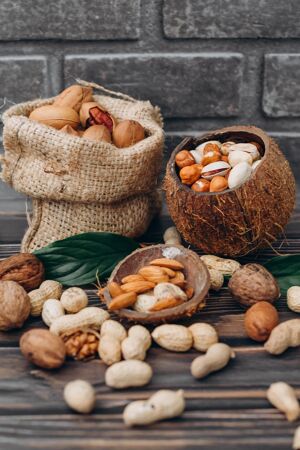
- All types of fruit, whether local, exotic, fresh or dried
- All vegetables that are safe to eat raw
- Wild herbs and wild flowers
- Herbs and spices (note: many spices are dried above raw food temperature)
- Nuts, kernels and seeds
- Sprouts (preferably home-grown)
- High-quality, cold-pressed oils
- Cereal flakes (soaked and crushed by yourself)
- Eggs and products made from raw milk for vegetarians
- Raw meat products and raw fish for omnivores
Important equipment for the raw food kitchen:
The raw food table is richly laid and offers you plenty of variety. The spectrum ranges from colourful vegetable platters to gourmet raw food. Different techniques open up countless possibilities for preparing your dishes.
Spiral cutter
You can easily make your own raw food spaghetti from courgettes, kohlrabi or carrots using a spiral cutter. Different attachments allow you to create different types of pasta. Create your own tagliatelle, vermicelli or vegetable garlands.
Fruit and vegetable slicer
With a good slicer, you can turn courgettes, apples, radishes and even soft tomatoes into even slices, cubes or sticks. Turn your raw food salads into a feast for the eyes in a matter of seconds. You can also prepare uniform fruit and vegetable slices for your dehydrator.
Sprouting jar or sprouter
Keimlinge and sprouts are a wonderful source of nutrients. Whether as an ingredient in various salads, as a filling or topping: they simply belong in the raw food kitchen. You can easily grow your own sprouts and Keimlinge with a sprouting jar or sprouter.
These seeds are particularly suitable for sprouting: Alfalfa, fenugreek, broccoli, unsprouted spelt, peas, unsprouted barley, millet, chickpeas, lentils, mung beans, quinoa, radish and wheat.
Blender
One appliance that is used daily in the raw food kitchen is the blender. If you want to make small amounts of dip, dressing, salsa or sauce, a blender is perfectly adequate. For smoothies, soups, ice cream, nut milks, hard fruit, fibrous vegetables and wild herbs, as well as if you are generally making larger quantities, a high-powered high-performance blender is the better choice.
Dehydrator
You use a dehydrator for two things: the gentle drying of fruit, vegetables and herbs and the preparation of gourmet raw food. You can gently dry and preserve fruit and vegetables at low temperatures between 42 and 50°C. Or you can prepare a raw food pizza, marinated vegetables or raw food bread in the dehydrator.
Juicer
With a juicer or juice extractor, you can prepare vitamin-rich, fresh juices, combine different types of fruit and vegetables or make wheatgrass juice. Decide spontaneously what you fancy - a store-bought juice can never offer you this wealth of vital substances.
Fermentation - healthy enjoyment made easy
Fermented vegetables are very healthy. They contain a wealth of lactic acid bacteria, enzymes, vitamins, minerals and trace elements. And the best thing is: preparation is very simple. Because the vegetables do most of the work themselves: Fermentation.
You only need two ingredients for homemade sauerkraut: White cabbage and salt. With water kefir or kombucha, you can prepare delicious fermented drinks. There are also suitable probiotics for nut cheese or nut yoghurt.
Green smoothies - leafy vegetables in their most beautiful form
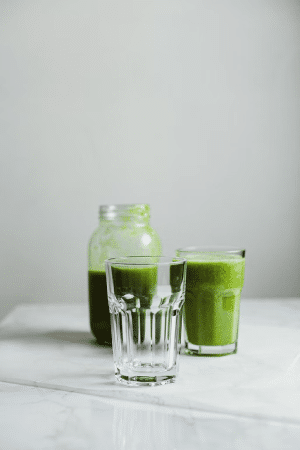
Green smoothies are sweet, creamy drinks from the blender. They consist of fruit and leafy vegetables, sometimes combined with herbs or wild herbs. Unlike juices, you use whole fruits and leaves, which means that you utilise the full spectrum of nutrients and vital substances.
Green smoothies are quick to prepare and can be enjoyed anywhere - at home, in the office or on a day out. These tasty vitamin bombs are a wonderful addition to your diet and all you need to prepare them are fresh ingredients, a powerful PS blender and a little creativity.
Basic recipe for a green smoothie
The proportions of fruit and green leaves should be roughly equal. Beginners can start with a larger proportion of fruit and gradually increase the proportion of leafy greens. Depending on whether you like your green smoothie thicker or more liquid, add water, fresh juice or fresh coconut water. With a high-performance blender, you can make creamy smoothies in 30 to 60 seconds. A simple household blender will take a little longer and the consistency of your smoothie will be less creamy.
1. choose a green leafy vegetable
For the smoothie, only use the soft part of the leaves that you can wrap around your finger. Suitable vegetables include chard, spinach, kale, lamb's lettuce, oak leaf, rocket, herbs or wild herbs.
Tip: Use a different leafy green vegetable every day and alternate between at least seven different varieties. The greater choice increases the variety of nutrients.
2. choose one or two types of fruit
Popular local fruit varieties include apples, pears, strawberries, raspberries, cherries and plums. Pineapples, bananas, mangoes, oranges and nectarines are also popular. If possible, buy seasonal, organically grown fruit from your region.
Tip: A good blender will even puree the cores of apples and pears until creamy.
3. optional: superfoods and dried fruit
Enhance your green smoothie with superfoods. These include certain fruits, vegetables, herbs and algae that have a particularly high concentration of nutrients. You can add them to your smoothie in natural, dried or powdered form.
Dried fruit is a nice addition if you like it a little sweeter. Soak the fruit for a while beforehand and use the soaking water for your smoothie.
4. choose a liquid
Add a liquid at the end. This can be clear water, fruit juice, cold tea, a homemade nut milk or coconut water.
Raw food in everyday life
The raw food diet is not about eating 100 per cent raw food. Every apple in between meals and every salad during your lunch break is good for your body. Replace an entire meal with raw food.
The choice is huge: enjoy vegetables, fruit, berries, nuts, seeds, sprouts, mushrooms, algae and wild plants. The right combination of different foods is crucial in order to cover the widest possible range of nutrients. An unbalanced diet can lead to deficiency symptoms. But that is the case with all diets
Clean eating - an environmentally friendly trend
Clean eating is a food trend in which only "clean" food is served. This means that everything that is shrink-wrapped or packaged in plastic is eliminated. Of course, there is more to it than simply avoiding packaging waste.
The idea behind clean eating is to give the body what it needs without burdening it unnecessarily. This is why additives such as flavour enhancers, colourings, flavourings and preservatives are also banned. Salt and sugar should be reduced and artificial sweeteners avoided.
Instead, plenty of fresh seasonal fruit and vegetables and good, unsaturated fats are served - in many meals with small portions. Breakfast in the morning is a must in order to replenish the body's energy reserves. Drink plenty of water, alcohol is taboo.
Soul food - pleasure for body and soul
The term soul food has its origins in the traditional African-American cuisine of the southern states - a meat-heavy cuisine with lots of fat and sugar. Chicken wings and spare ribs have their roots here.
In raw food, soul food means something different. This is about light indulgence for body and soul, a cuisine that tastes good and makes you happy without a lot of effort. Some people see smoothies as their soul food, others like to treat themselves to a slice of raw food cake, a sweet cream, raw chocolate or a large portion of their favourite fruit.