

Fermentation instructions made easy.

Discover fermentation: Healthy, delicious & easy! Turn vegetables into superfood. #FermentationMagic
People have been fermenting food for several thousand years. What was once mainly used as a method of preparation to preserve food has now developed into a food trend. This is because fermentation has other advantages: it can increase the flavour intensity and make vegetables more digestible and even healthier. With a little patience but little effort, food can also be fermented at home.
Fermenting: What's behind it and why fermented vegetables are healthy
Most of us associate fermented foods with sauerkraut or - now also popular in Germany - kimchi. Both are vegetables prepared using lactic acid fermentation, whereby sauerkraut is usually made from white or pointed cabbage and Korean kimchi is traditionally made from Chinese cabbage. During the fermentation process, the carbohydrates contained in the vegetables are converted into lactic acid by lactic acid bacteria. This lowers the pH value and creates an acidic environment, which inhibits the growth of certain microorganisms such as moulds. As a result, the vegetables keep for longer and are also easier to digest than in their raw form. For example, cabbage loses its flatulent effect through fermentation. In addition, lactic acid fermented vegetables promote the diversity of healthy intestinal bacteria, which protect us from intestinal diseases and are important for a healthy immune system. Scientists at Stanford University have discovered this and published their findings in a study.
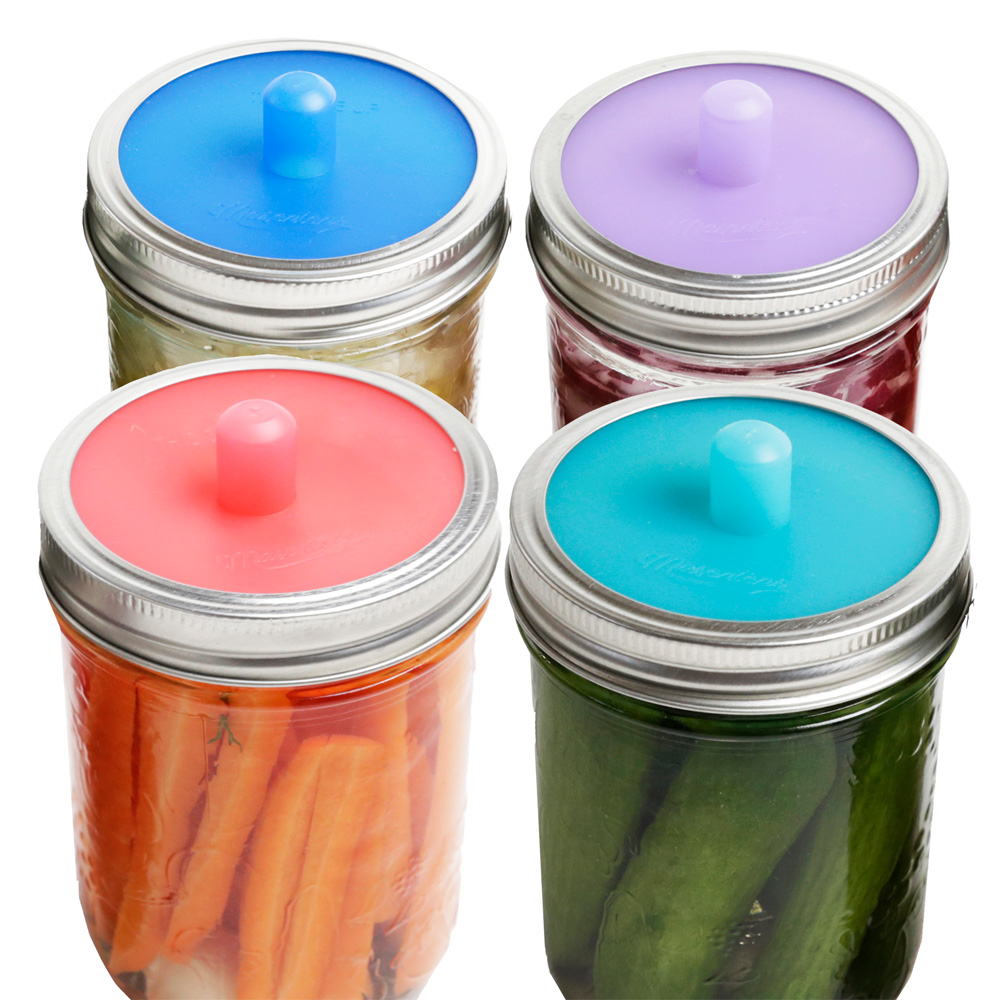
Ferment food yourself: How to do it right
While the chemical process of fermentation may sound complicated at first, it is actually a very simple process. If you want to avoid industrially processed foods, you can easily ferment vegetables yourself without much effort. In addition to your favourite vegetables, you will need
- salt
- possibly some water
- airtight and clean jars with screw caps (it is best to boil them beforehand)
- fermentation stone or other objects to weigh them down (e.g. a bag of marbles or pebbles)
Lactic acid fermentation - i.e. the fermentation of vegetables - takes place in the absence of oxygen, which is why it is referred to as an anaerobic process.

The first step is to clean the vegetables and remove the stalk and any damaged or rotten parts. Then cut or slice them into small pieces or strips and mix them with salt in a bowl. The amount of salt should be two to three per cent of the amount of vegetables (1 kilo of vegetables plus 20 to 30 grams of salt). Then knead or press the salted vegetables until sufficient juice is released. Do not pour the juice away. Now fill the vegetables with the resulting brine into the airtight jars. To minimise the amount of air remaining, squeeze the mixture well and make sure that the vegetables are completely covered with the brine. If the resulting liquid is not sufficient, you can top it up with an additional boiled brine solution. To do this, use 20 to 30 grams of salt for one litre of water.
Then weigh down the mixture with the fermentation stone (or another clean object), close the jars so that the resulting gases can escape and leave them at room temperature and protected from light for five to seven days. Small air bubbles indicate that the fermentation process has started. The longer the fermentation process takes, the more acidic the flavour will be. You can interrupt the process by placing the jars in the fridge. After fermentation, they should be stored at 15 to 18 degrees Celsius.
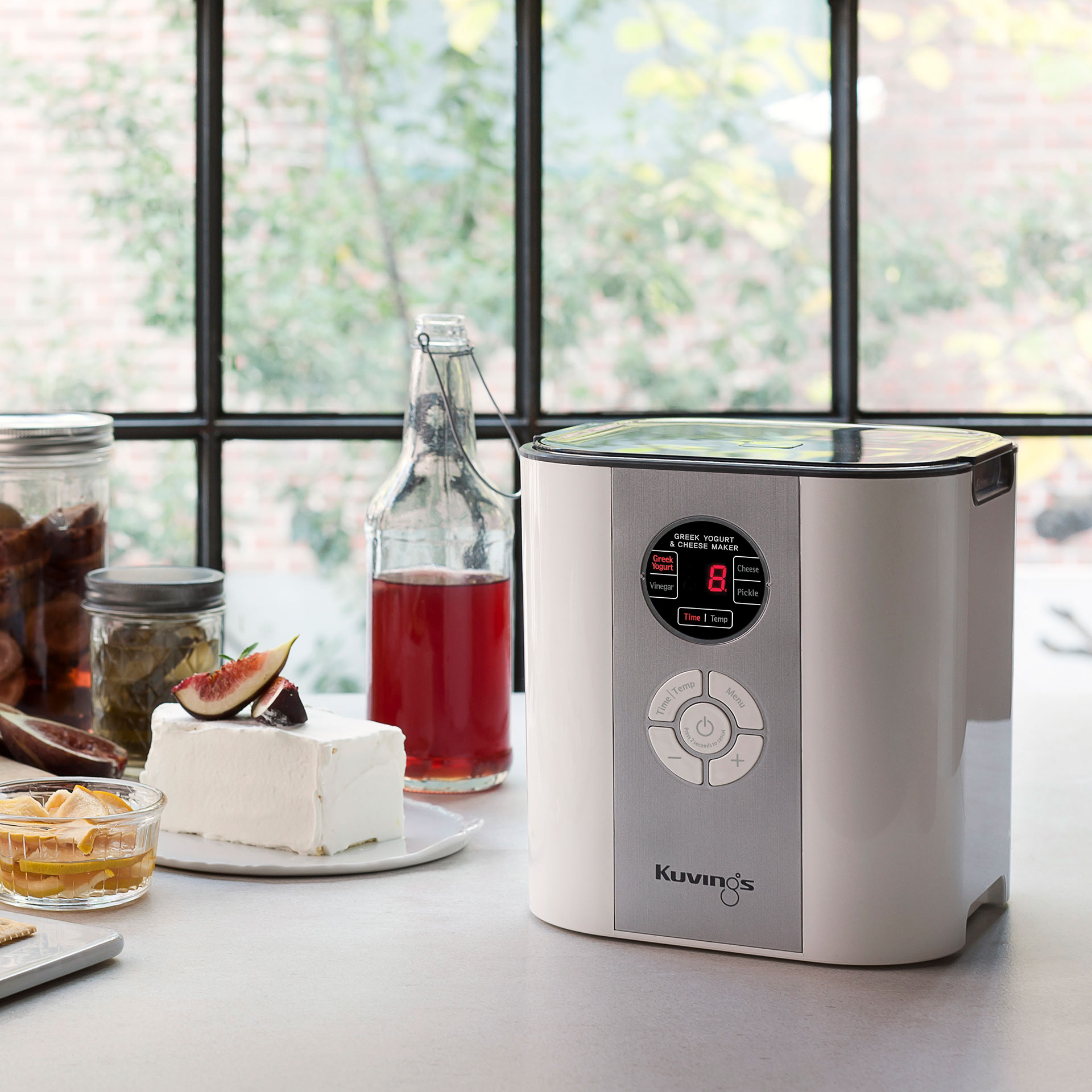
Other things to bear in mind when fermenting
The brine becomes cloudy during the fermentation process. This is completely normal. However, if the lid bulges, this may indicate that the gases are not escaping properly. The shelf life of fermented vegetables is around six months. Once opened, they should be consumed within a few weeks.
Nice to know: What else you should know about fermenting
In principle, you can ferment all types of vegetables. In addition to cabbage, carrots, beetroot and peppers are particularly suitable for this. These are firm and do not fall apart as easily as soft vegetables. However, the latter can also be used. Fermentation is not recommended for fruit because the high sugar content would lead to alcoholic fermentation. If you have a histamine intolerance, you should also refrain from eating fermented vegetables. The reason: histamines are formed during lactic acid fermentation. Otherwise, fermented foods make a valuable contribution to a healthy diet and also score highly in terms of sustainability due to their long shelf life and low-energy preparation.
You can find more great fermentation recipes here.