

Storing fruit and vegetables correctly
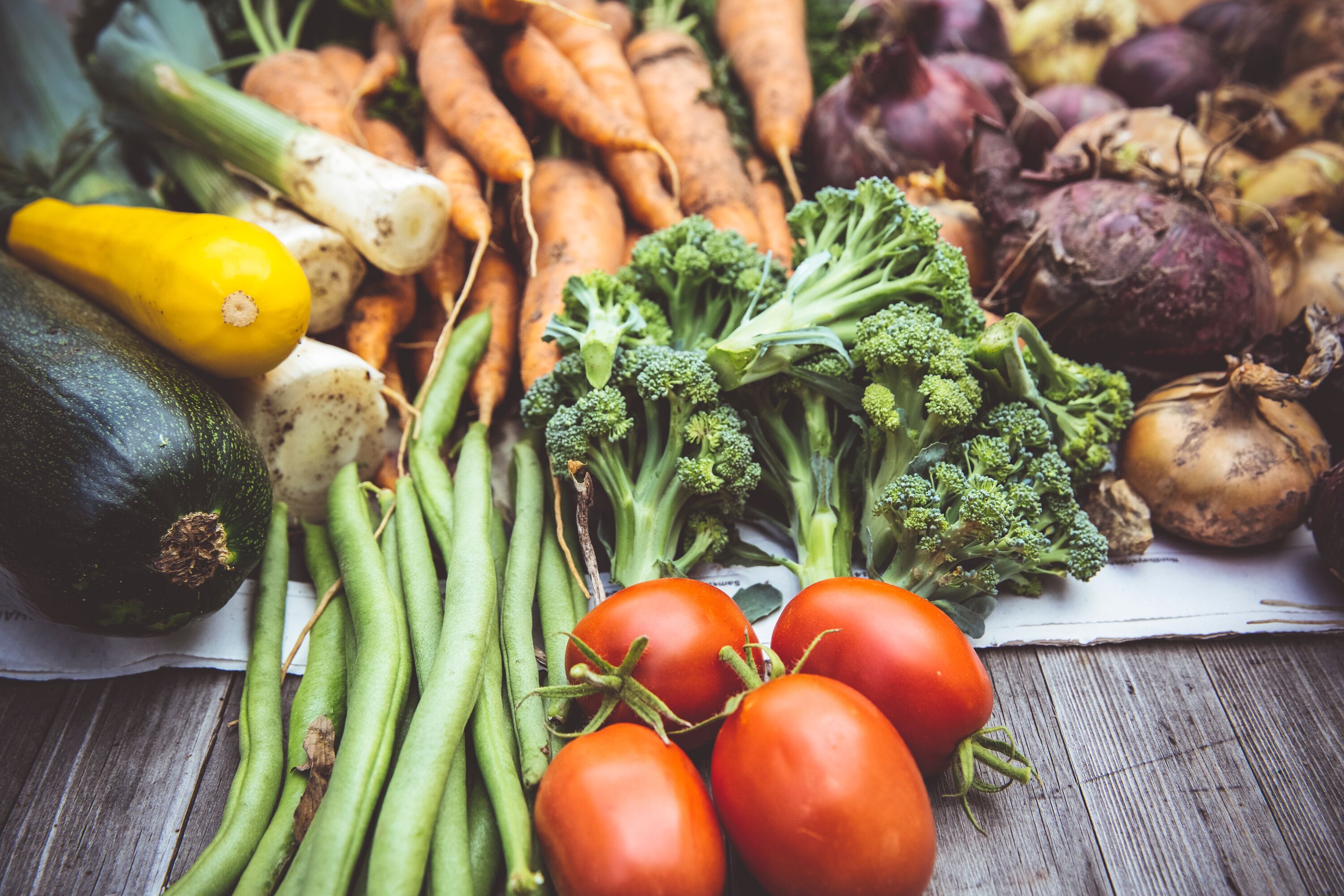
Fruit and vegetables taste best when fresh. But when we buy food, we usually buy it for a few days at a time. To ensure that the food we buy stays fresh for as long as possible and preserves sensitive nutrients, it is important to store it correctly.
Not every type of fruit and vegetable can be stored in the same way. Temperature, humidity, light and the right "neighbours" play a decisive role. We have compiled all the facts about the correct storage of fruit and vegetables for you.
You need to be very strong now: From the moment fruit and vegetables are harvested, they go on a downhill slide in terms of freshness. Most varieties do not cope well with the separation of bush, tree or shrub. The ageing process sets in, water evaporates and nutrients are broken down. However, shrivelling, wilting and brown spots can be delayed if you pay attention to a few things during storage.
Always store in the fridge
If you're at home in the northern European climate, you'll feel right at home in the fridge. The simple rule is: Is it home here? Put it in the fridge! This is the case for broccoli, lamb's lettuce, fennel, cucumber, cabbage, beetroot, celery and spinach, for example.
Tip: Place the vegetables in a sealable box or wrap them in a bag beforehand. This protects them from drying out.
Never store in the fridge
Depending on their country of origin, tropical fruits are used to more or less tropical temperatures. They don't like the cold at all, so you should never store them in the fridge.
Tropical fruits suffer a cold shock in the fridge due to the unusually low temperatures. Bananas, for example, show this in the form of brown spots on the skin. Despite the external damage, the fruit usually remains edible. However, you should not keep it below its ideal temperature.
The ideal storage temperature for tropical fruit, such as mango, papaya, pineapple or banana, is 13°C. By the way: peppers, courgettes and tomatoes also feel most at home at around 13°C. This is due to their Mediterranean roots.
Ethylene: One man's joy, another man's sorrow
Relationship problems don't just exist among us humans. Things can get heated in the fruit basket too: Who likes whom? Who absolutely can't smell each other? And who can only develop into a mature personality with the right partner?
Ethylene plays a decisive role. Some fruits and vegetables emit the colourless, natural ripening gas ethylene, which causes a lot of trouble. It accelerates the ripening process in fruits that are close to it. Sensitive neighbours quickly become overripe and rotten. With other fruits that are not yet ripe, you can use this effect to your advantage.
Fruit varieties that emit a lot of ethylene include apples, apricots, bananas, pears, nectarines and peaches. It is best to store these fruits separately so that they do not affect the ripening process of other fruits.
The same applies to tomatoes. Tomatoes are the vegetables that release large quantities of ethylene. They should be stored separately and not kept in the fridge.
All's well that ends well in the dark
Some people don't just go to the cellar to laugh. He also stores fruit and vegetables there, which love the dark and like it cool. In general, you should avoid sunny places to store your fresh food.
However, while a place protected from light is sufficient for some, potatoes, for example, like to be kept in pitch darkness and no colder than 5°C. Chicory also needs darkness and cold. Chicory also needs darkness and cold. However, it feels just as comfortable in the vegetable compartment of the fridge as it does in the dark cellar.
If you don't know what to do with your harvest after picking apples, put them in the cellar! Stored in a cool, dark place, they will keep for several months. But be careful: apples release large quantities of the ripening gas ethylene. Do not put them next to potatoes or other vegetables
To wash or not to wash? That is the question!
And the answer is: Don't wash! This creates too much moisture during storage. This causes the fruit and vegetables to spoil more quickly. Therefore, always wash fruit and vegetables just before eating or processing.
How to keep herbs fresh as dew
First remove the rubber band from bunched herbs and then moisten them with clear water. Important: The herbs must not float in the water, otherwise they will spoil. Store the herbs loose in a plastic container or bag in the fridge.
You can store all herbs in this way with one exception: basil. Remove the rubber band from basil too, but place it in a jar of water at room temperature and consume it within a very short time.
Evaporation is the enemy of freshness
Fruit and vegetables are still alive after harvesting. Post-ripening fruit even improves its quality. Other types of fruit and vegetables also "live" for some time: metabolic processes continue, moisture evaporates and nutrients are broken down. With the right storage, you can slow down this ageing process.
Most vegetables and many fruits are very well stored in the vegetable compartment of the fridge. If there is no room there, put them in another compartment temporarily. To protect fruit and vegetables from drying out, place them in a sealable tin or put them in a plastic bag.
Stay fresh for longer with these tips
- Always store fruit and vegetables separately
- Tropical fruit has no place in the fridge
- Store ethylene-releasing fruit separately (or use it to ripen other fruit)
- Carrots, beetroot, radishes and co. stay fresh longer if you remove the leaves
- Only wash fruit and vegetables immediately before eating or processing
- Never store fresh fruit and vegetables in a sunny place
- Pomaceous fruit (e.g. apples and pears) like room temperature, store larger quantities in the cellar
- Stone fruit (e.g. apricots and peaches) ripen at room temperature. They will keep for 1-2 days in the fridge
- Soft fruit (e.g. strawberries and raspberries) will keep for 1-3 days in the fridge. Wrap in foil - this protects them from drying out
- Store citrus fruits (e.g. mandarins and oranges) in a cool, dry place
- Exotic fruits (e.g. Pineapple and papaya) like it cool, but not below 13°C
- Do not store tomatoes in the fridge as their flavour suffers greatly - they also release the ripening gas ethylene
- Aubergines are sensitive to cold, the minimum storage temperature should not fall below 10°C
Who emits a lot of ethylene?
So that you know which fruit you can safely place next to each other in the fruit basket, we have compiled a small list of fruit varieties that emit a considerable amount of ethylene:
- Apples
- apricots
- avocados
- pears
- kiwis
- mangoes
- Nectarines
- peaches
- Pineapples
- bananas
- Soft fruit
- cherries
- Grapes
- Citrus fruits
And if it's already too late?
It is not uncommon for food to reach the end of its shelf life despite the best storage conditions. If you want to avoid waste, you can dehydrate fruit and vegetables as well as herbs in a dehydrator to preserve them for a very long time.
In our shop you will find a wide range of dehydrators that are suitable for both beginners and advanced dehydrators.