

Do your own dehydrating - even in winter!
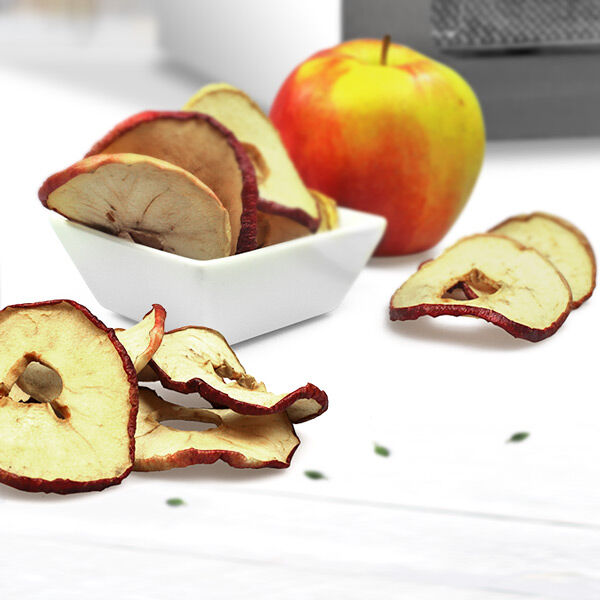
Is there actually a special time of year when dehydrating is particularly recommended? And what can be dried in winter? Peter Dreverhoff provides the answers.
When it comes to dehydrating, we quickly come to the classic seasons - also recognisable when the stack dehydrators suddenly appear in the weekly offers at the discounter around the corner at incredibly low prices. The calendar then usually heralds the start of late summer, when local apples, pears, plums and grapes are literally begging to be preserved using the most natural preservation method in the world, dehydration.
The local efforts become even more special when the dehydrator used is also operated at the so-called raw food temperature to preserve flavours and vital substances!
In practice, the appliances are then operated at a maximum of 50, 45 or, in the best case, 42°C. At temperatures above 50°C, even the renter can taste that the taste changes and the bright colours of the original products turn pale and grey. Accordingly, we can assume that the vital substances have also been affected by high drying temperatures, especially the heat-sensitive vitamins and enzymes.
But let's come back to the seasonal use of dehydrators.
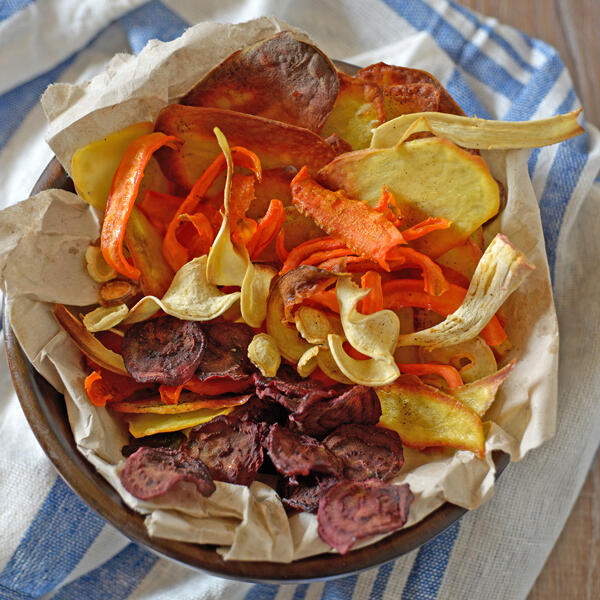
First of all, we need to rethink our minds, because a dehydrator is not just a means to an end to preserve fresh fruit and vegetables gently and in a very natural way. With the dehydrator, we virtually imitate a mild Mediterranean climate, without much dew formation in the morning. Unfortunately, we need the technical support of a dehydrator in our wide-open spaces to ensure that the drying of food works reliably and reproducibly.
So let's be clear, technology allows us to use dehydration all year round and the use of appliances does not stop at natural preservation.
What the cooker and oven are to the average person, the dehydrator is to the interested hobby dehydrator. Because whole meals can be gently heated here. According to the principle: instead of cooking quickly and at high temperatures, it is better to cook slowly and at low temperatures.
Especially in winter, people who enjoy raw food enjoy warm meals from the dehydrator, such as pizza, lasagne, salads, soups, marinated cauliflower or broccoli and much more. As is well known, the Christmas season also falls in winter and the ingredients needed for the special treats often require a slightly higher temperature. Coconut oil, coconut butter, cocoa butter and cocoa mass should be gently brought to temperatures above 30°C so that they can be processed. A dehydrator is ideal for this and you can make healthy biscuits, energy balls and the like in no time at all.
A special highlight is making crisps from kale. These products have now made it into the food trade, although I have to say that homemade kale crisps far outperform the bagged versions from the shop and everyone can then keep an eye on the drying temperature themselves. Kale is a seasonal winter vegetable with great health benefits: It scores highly with plenty of iron, calcium, vitamin K and C as well as a diverse amino acid profile. It is also regarded by alternative medicine as an ideal aid to preventing colds and inflammation.
When these plucked leaves come out of the dehydrator, marinated and crispy, the slogan "Stay healthy and enjoyable" becomes a tangible reality.
A lesser-known indulgence is dried avocado strips, a fruit that comes from nearby Spain in winter and turns into a fulfilling and hearty meal with a certain breading. The avocado strips without the skin are rolled in ground linseed or sesame seeds together with a little salt and pepper and then placed in the dehydrator for 4 hours. Eaten fresh and warm straight from the dehydrator, they are filling and taste wonderfully aromatic. Be careful not to leave them in the dehydrator for too long, otherwise the fatty acids will start to change and the avocado strips will take on a bitter flavour.
Another useful task for a dehydrator is to dry down sprouted seeds. Particularly popular are, for example Buckwheat, sunflower and pumpkin seeds. Growing sprouts and Keimlingis a particularly popular activity during the cold season, as it allows you to grow your own fresh raw vegetables and harvest them straight away. The Keimlingseeds contain the most nutrients when the new plant has reached approximately the size of the seed itself. If this is the case, further growth can be stopped in the fridge or preserved permanently by gently drying at 42°C during this growth phase. This means that these little miracles of vitality are available for further storage at any time and at no great cost.
Conclusion: In addition to the classic preservation of our harvest, dehydrators offer a great world of enjoyment and, thanks to the low temperatures, preserve all the important nutrients in the food. Dehydrating in winter? Absolutely!
Related products

Available, delivery time: 1-3 days
Currently not available