What to do with the pomace? The best tips for sustainable utilisation. By Peter E. Dreverhoff
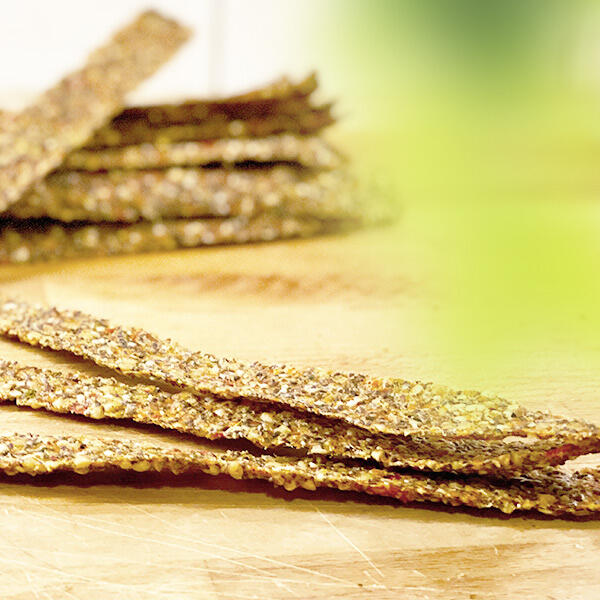
From pomace smoothies to dried fruit: Discover 11 creative ways to use leftover juices! 🥕🍏
Author: Peter E. Dreverhoff
Ouch, that almost hurts! Dumping the pomace in the organic waste bin or home compost after every morning juice squeeze!
But wouldn't any "normal" person eat the carrot whole and therefore not have these worries in the first place? So it's better to do without the fresh juice and then no longer have a "pomace problem"?
That's why freshly squeezed vegetable juices are so healthy!
Especially in autumn, winter and spring, an extra portion of vitamins and minerals is a good thing. Fresh juices have been proven to strengthen the immune system and improve quality of life and joie de vivre. So you can stay fit through the cold season and not only that. Juice fasting weeks, metabolism cures, calorie-reduced meals rich in vital nutrients, energy boosts in the morning: these are all measures and concepts that can be realised with a good juicer.
Freshly squeezed juices are a simple and tasty way to get more vital nutrients. If it weren't for the annoying pomace that supposedly ends up useless in the bin.
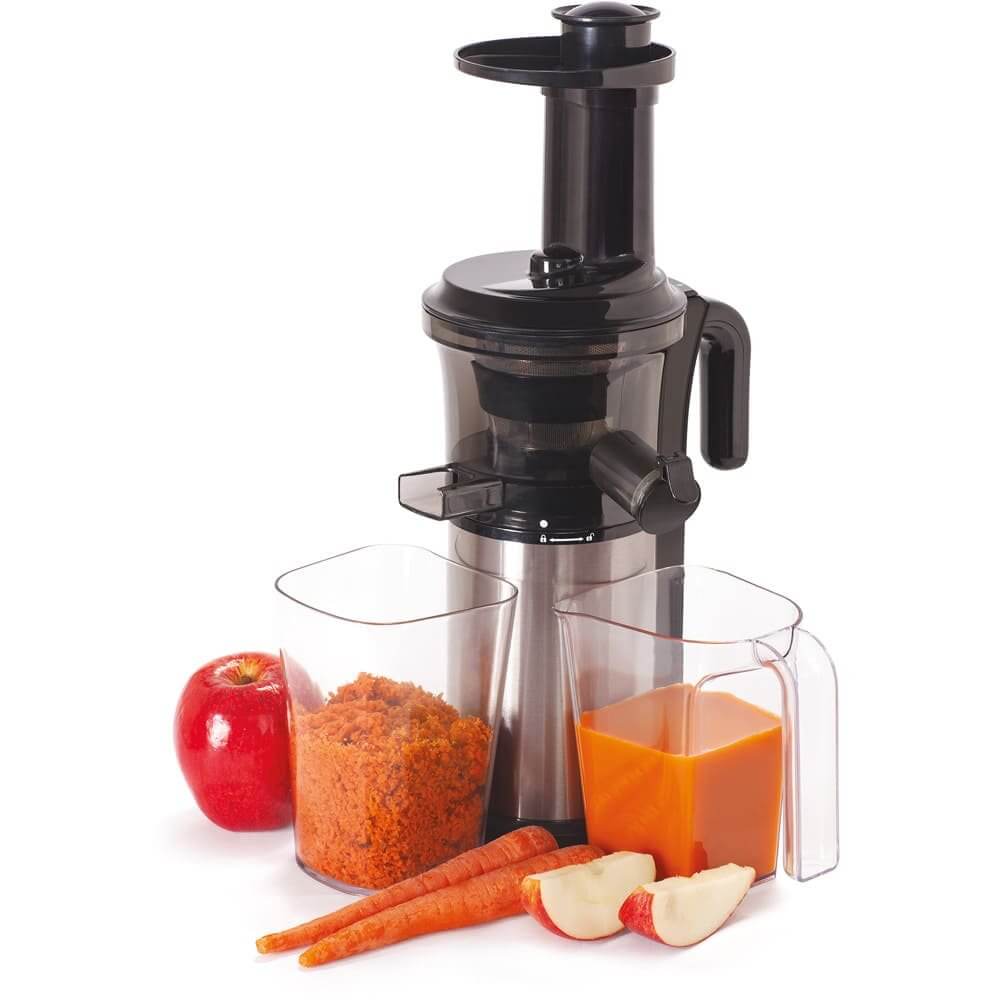
Why don't pure vegetables have the same effect as vegetable juice?
The reason why the vegetables we eat do not have the same effect as the juiced vegetables is precisely because of the pomace. Of course we need the fibre in our food and this is obviously missing in juice. However, this is precisely why juice works and is used therapeutically by alternative medicine practitioners to treat some forms of illness.
This is because the preparation as juice without fibre ensures to a much greater extent that the nutrients are also absorbed, partly through diffusion in the mouth. The digestive organs are therefore deliberately relieved of work in order to provide the body with the important vital substances better and faster.
Of course, anyone can try to simply nibble away the increased need for vital substances. Just to give you a better idea: The fruit and vegetables contained in a large glass of juice can hardly be eaten raw in these quantities. It takes between 600 g and 1 kg of fresh produce to make 500 ml of juice. It is hardly possible to chew and salivate these quantities well during the course of the day.
A smoothie is not a solution either; I would have to add the same amount of water to the kilogramme of vegetables to get a drinkable beverage.
So let's make friends with the facts and find solutions for the pomace! Here are some ideas:
Into the rubbish? Yes, why not, if it can be processed in your own garden or via the organic waste bin. But does it have to be?
Here are our 11 ultimate tips on how the valuable fibre can still be used.
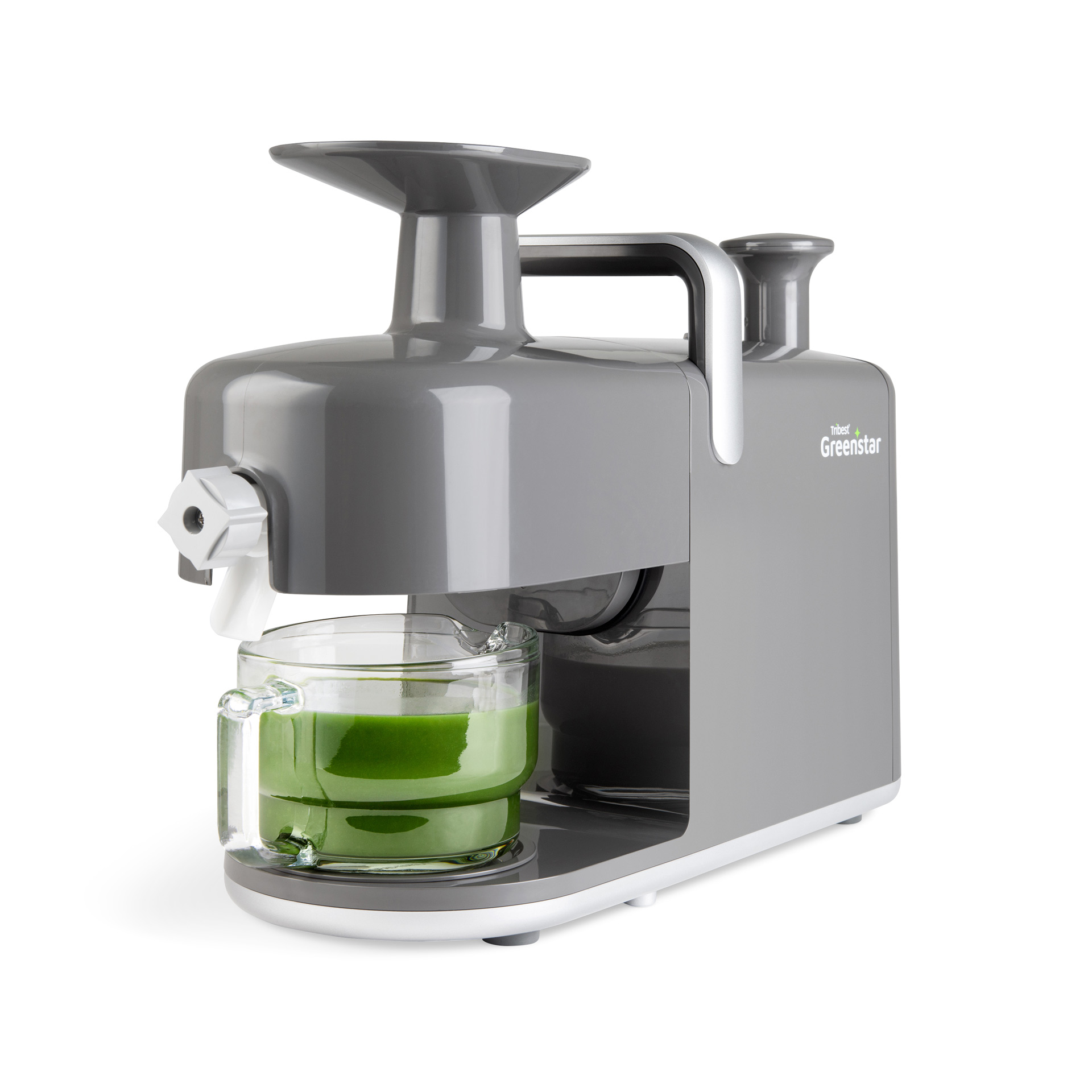
An important fact up front: the better and more consistently your slow juicer gently "wringes out" the fresh produce with one or more press rollers, the less flavour and aroma will remain in the fibres. This is why flavouring and creative combinations are required. That's the way it should be, we want the vital ingredients in the juice and not in the pulp. Nevertheless, we can make good use of the remaining fibres, also known as dietary fibres, for our intestinal peristalsis and for binding toxins and, depending on the juicer, there may also be some secondary plant substances and other bioactive substances in the pomace. By the way, here is our recommendation for a juicer that really puts your fruit and vegetables through the wringer: Tribest Greenstar GS 5