Optimum balance inside and out: alkaline nutrition and body care
Stubborn spring fatigue, frequent colds or skin problems - a balanced acid-base ratio in the body has a very significant influence on our well-being!
An unbalanced diet built up with excess acids leads to an imbalance, which can result in hyperacidity, latent tiredness, hair loss, allergies, migraines and even rheumatic symptoms. All the substances we come into contact with every day have an effect on our acid-base balance: food, personal hygiene, detergents and cleaning products. The industrial production of food, the more or less frequent consumption of meat as well as sugar and cereal products make our diet very acidic.
Unfavourable eating habits make the body "acidic" in the truest sense of the word.
For a good internal balance, a suitable pH value must prevail in the blood in every part of the body. This is because the pH value provides information about the acidity or alkalinity of the body and depends on several factors, such as stress, environmental influences and physical strain. But above all it depends on the diet. For a balanced ratio, the pH value of the blood must remain constant at around 7.4. Fast food, meat, cereal products and sweets increase the acidity enormously. The body tries to neutralise this hyperacidity with alkaline minerals (potassium, calcium and magnesium) from the reserves in our bones, teeth, hair and other organs. These equalisation mechanisms are vital, but do not go unnoticed. If the body does not manage to neutralise all the acids, they build up in the connective tissue - resulting in cellulite and obesity, osteoarthritis in the joints, allergies, fungal infections, tiredness, hair loss and even depression. An alkaline-rich diet with plenty of fruit and vegetables counteracts this.
Foods are acidic or alkaline in nature. A predominantly alkaline diet is part of human nature.
Plant-based foods have a high proportion of organically bound minerals and trace elements. This means they are good at buffering acids. Animal foods, on the other hand, are rich in sulphur and phosphorus-containing compounds. When they are broken down, acids are produced that have to be excreted by the body. We absorb most acids through our diet, for example uric acid and sulphuric acid from animal protein, acetic acid from white flour and confectionery, tannic acid from black tea or coffee beans, phosphate acid from soft drinks and energy drinks. But other acids such as acetylsalicylic acid from painkillers, too much carbonic acid from incorrect breathing and drinks, hydrochloric acid from stress and overexertion also cause acid levels in the body to rise.
Inner balance through alkaline nutrition
The alkaline diet is based on naturopathic therapy and is particularly effective in preventing hyperacidity. It brings the acid-base balance into equilibrium, has a deacidifying, detoxifying and purifying effect and at the same time supplies the body with essential minerals and trace elements. A healthy person who eats an alkaline-rich diet and takes care of themselves absorbs enough alkalis so that the body can neutralise the acids WITHOUT having to draw on its own mineral stores.
Staple foods such as rice, vegetables, fruit, nuts, potatoes, seeds, olives and oils can be processed by the body's metabolism in an alkaline way. Products that contain a lot of proteins and amino acids are acidic foods. These mainly include industrial sugar, animal products, cereals, but also alcohol, which in turn is processed into sugar in the metabolism.
To summarise briefly:
Fruit, vegetables, sprouts and germs are good sources of alkaline. Natural nuts and seeds ((sprouted) linseed, sunflower seeds, pumpkin seeds, almonds) are particularly satiating.
White flour products, sweets and sugar in general are highly acidifying substances, as are coffee, black tea and alcohol.
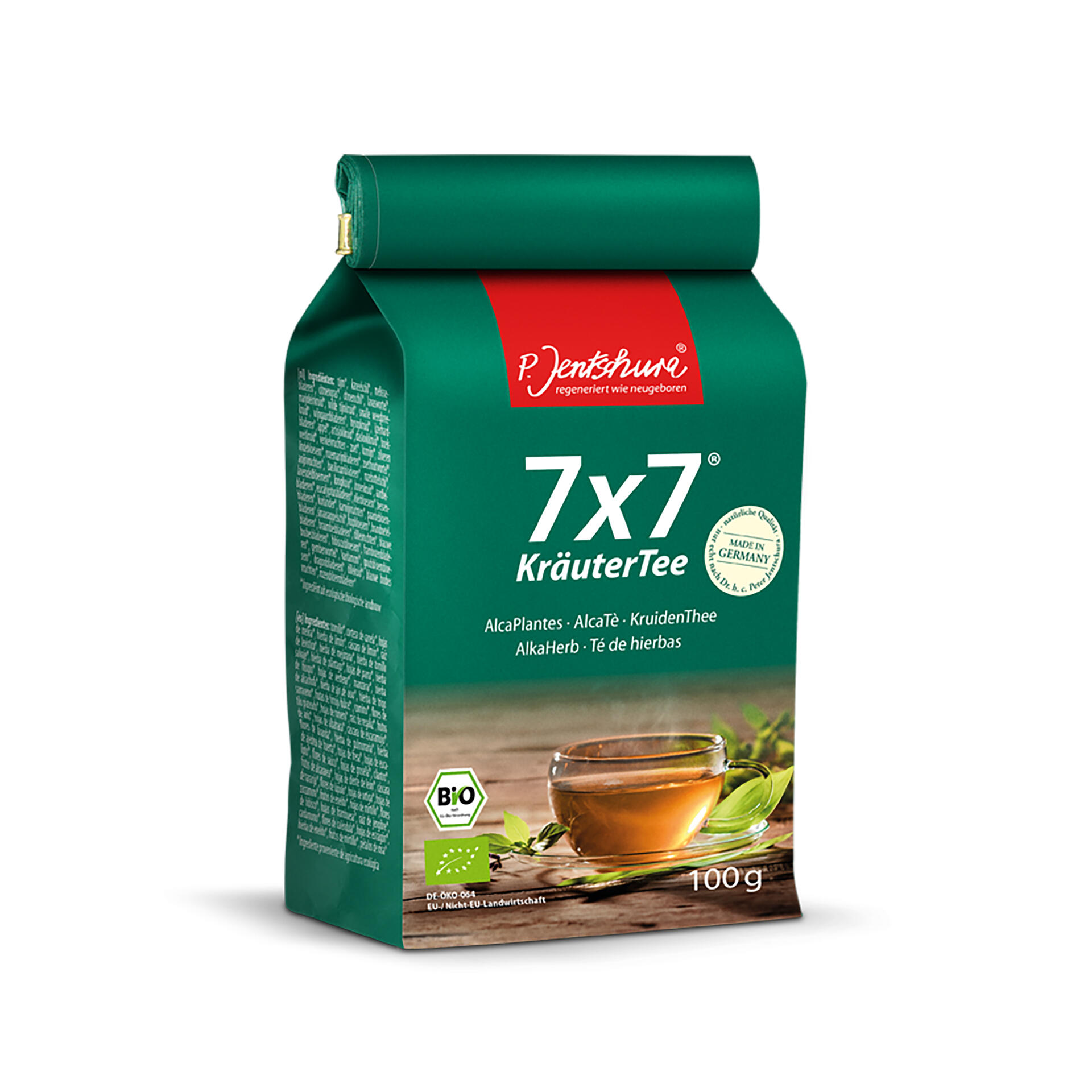
Ideally, you should drink between 2 and 3 litres a day. Still mineral water, water and herbal teas are particularly recommended.
Regular detox days (with vegetables or potatoes) can balance out existing excess acidity.
Sport supports the muscle and connective tissue. However, competitive sport, heavy cardio or muscle training can cause the body to become over-acidified. Moderate exercise such as walking and a naturally alkaline diet help to break down acids.
The 80/20 rule: At least 80 per cent of the food you eat should be alkaline. The remaining 20 per cent can be neutral or acid-forming.
Link → Raw food cuisine offers a variety of delicious, healthy dishes that also fill you up. Our recipe collection contains alkaline recipes for every day.
Doing good for the body from the outside - with alkaline care
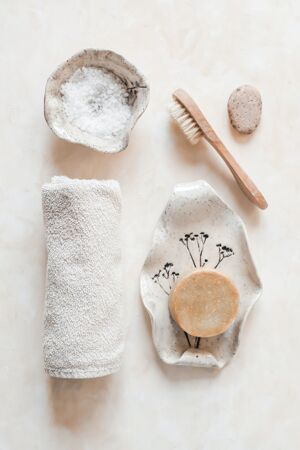
In addition to an alkaline diet, alkaline body care also helps to boost the metabolism through the skin from the outside. Alkaline body care is orientated towards the naturalness of nature. The body's metabolism needs an alkaline environment. This is the only way it can neutralise and eliminate acids and harmful substances from the diet and the environment. The skin plays a central role here. Alkaline body care actively utilises the skin's natural excretory function to relieve the body.
The skin's protective acid mantle has a pH value of 5.2 to 5.9 and is therefore in the acidic range. However, many common skin care products are also acidic in their chemical ingredients and their composition can put additional strain on the skin. Alkaline body care with a pH value of 8.5 frees the skin from acids and metabolic end products that have already been excreted and regenerates the protective lipid layer. This initiates an effective deacidification and detoxification process. At the same time, the other excretory organs - kidneys, intestines and lungs - are effectively relieved and regeneration is noticeably accelerated.
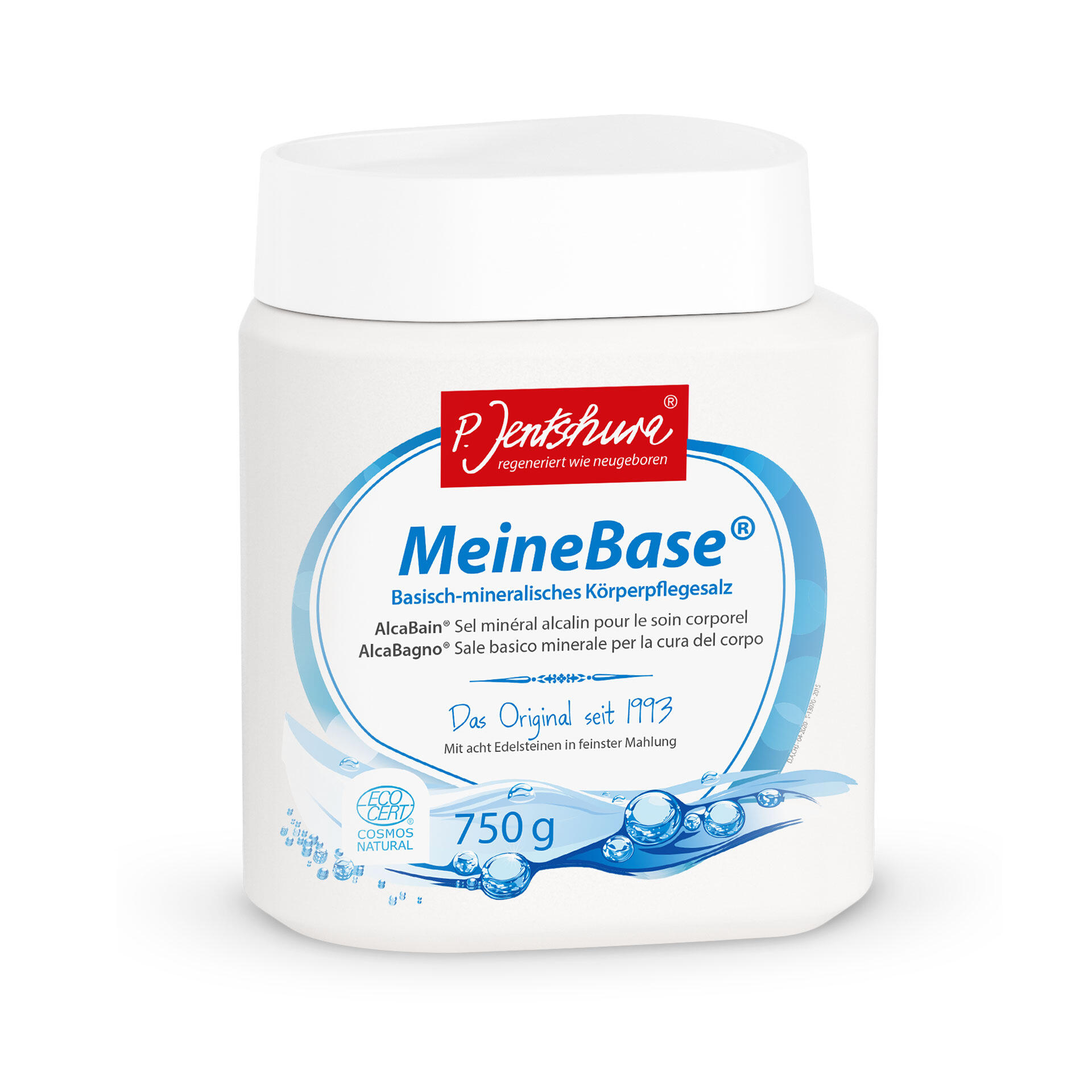
Alkaline skin care can be applied in various ways and according to preference: An alkaline bath salt can be used to make full baths, foot and hand baths, alkaline wraps, alkaline stockings and cuffs as well as alkaline scrubs. The deep effect of the salts can be enhanced during sauna sessions by applying them to the skin. Other special treatments for good circulation and to open the pores include alkaline steam baths with salt and honey rubs, alkaline massages with plant oils or extracts or special herbal stamp massages and brush massages.
In general, alkaline skin care is suitable for all skin types - from combination, oily or dry skin to acne, neurodermatitis or psoriasis. However, if the facial skin is very irritated, the principle of "detoxifying detoxification" should first be applied to healthy skin, for example with foot baths. As a rule of thumb, alkalising treatments take time. This is because alkaline substances are eliminated from the tissues, for example from the muscles after exercise, via the blood and then via the skin. The longer the baths, the more harmful substances and acids can be removed. An alkaline treatment should therefore last at least 30 minutes. Alkaline body care can be used as a cure several times a year or during particularly demanding phases of life - this includes, for example, one to two full baths at 36 to 38 °C and two to three foot baths at 38 to 41 °C per week.
Link → We present a high-quality and certified organic selection of alkaline body care products on our topic page.