

Veganic fruit and vegetable cultivation: a contradiction in terms?
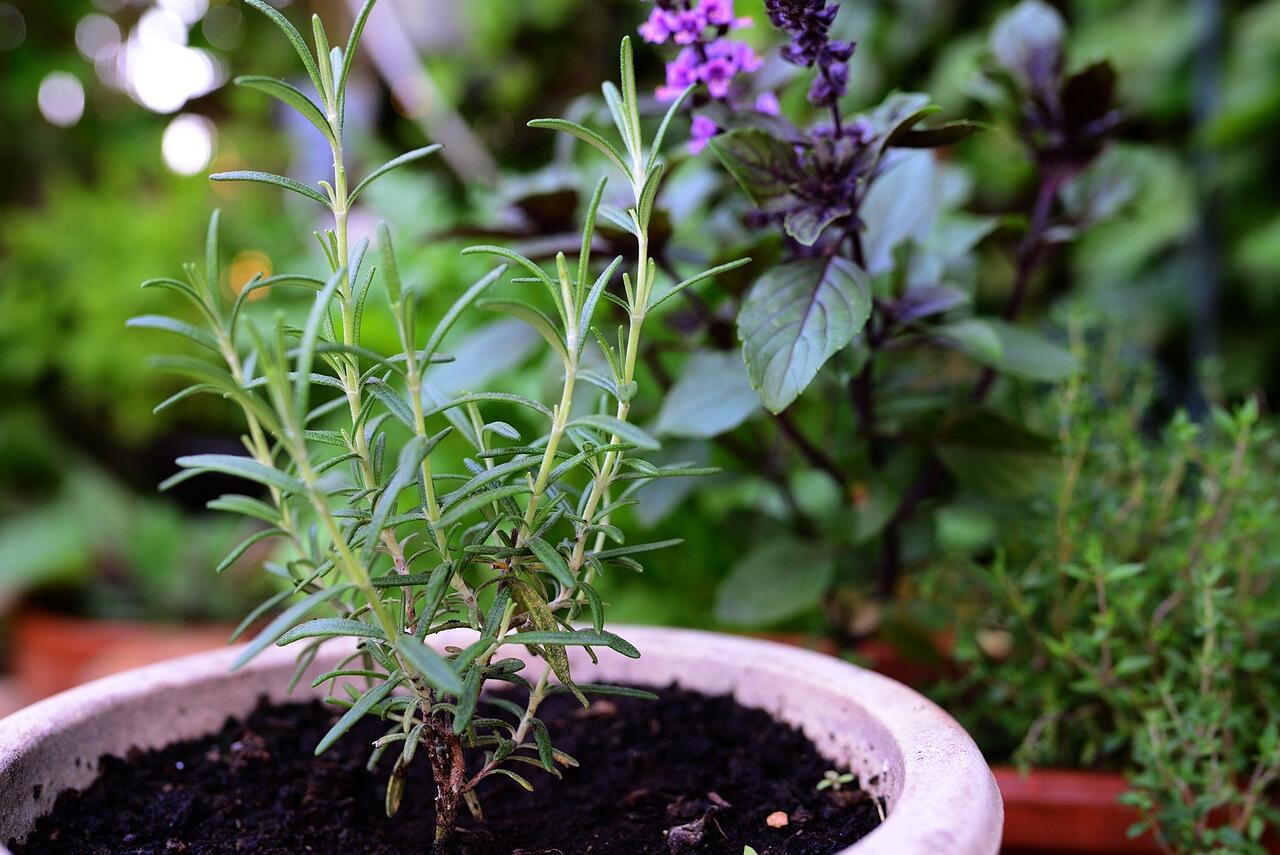
"Gardening is very much in vogue. Whether it's organic farming, your own garden or a rented patch of land in the centre of a big city (urban gardening).
For vegans, growing their own fruit and vegetables is the best way to ensure that only produce from sustainable, organic and, above all, vegan production ends up on the table.
Vegan gardening: what it means
Of course, fruit and vegetables are vegan in themselves. But as it' s not just the result that counts in the vegan lifestyle, the way in which the products consumed are produced must also be taken into account.
Amateur gardeners know all about the difficulties of growing fruit and vegetables. Thriving plants and appetising-looking fruit are not always the order of the day. Healthy growth depends on too many external factors. The weather and the nature of the soil are just two examples that are difficult to influence.
Animal or chemical fertilisers are therefore often used to optimise growth, which are not compatible with a vegan diet. For this reason, "vegan gardening" only uses products that carry an appropriate label.
Things to bear in mind with vegan gardening
If you want to garden veganically, you need to acquire a lot of knowledge and have suitable products and sufficient storage facilities. A log cabin made of wood in the garden is ideal for this and is decorative, practical and sustainable at the same time.
These products are taboo in vegan gardens
An organic garden is environmentally friendly and protects both flora and fauna. The use of gentle, natural fertilisers without animal origin contributes to the preservation of biodiversity and the protection of nature and the environment. These products should not be used in vegan gardens:
Peat belongs in bogs
Peat is extracted from bogs and then added to potting soil. Although the nutrient-rich substance allows plants to thrive, it destroys entire ecosystems in the long term. Peatlands play an important role in climate protection because they permanently store greenhouse gases.
Organic fertilisers
Any animal products, including slurry or manure, have no place in a vegan garden. It is best to buy soil that carries a certified vegan seal, as animal by-products or waste are often added here too. Mulch and compost are the way to go. So when buying a cheap garden shed, look around for a composter at the same time.
Mineral fertiliser - an energy guzzler
Even if the nutrients contained in mineral fertilisers are not harmful to the environment per se, their production is. Production consumes huge amounts of energy and resources, so that it seems appropriate to do without them as part of veganism and a sustainable lifestyle.
Pesticides are poisons
Pesticides may prevent pest infestations, but they also destroy important microorganisms and small animals. The chemical pesticides also penetrate the groundwater and thus re-enter the food cycle.
Conclusion
A vegan garden is a time-consuming and labour-intensive task, but one that is doubly worthwhile. When you harvest the fruits of your labour, you can be sure that they are free from harmful substances and that you have done no harm to the ecosystem or the animal world.