

Better eyesight through a healthy diet - these foods are good for your eyes
A healthy diet benefits the whole body. However, not all foods have the same nutrients. These differences mean that some are more suitable for certain functions than others. For example, there are foods that are particularly good for the eyes. They can have a positive effect on our eyesight and also strengthen the health of our eyes in other ways.
A healthy diet alone is no substitute for visual aids
Vision problems such as short-sightedness (myopia) and long-sightedness (hyperopia) are complex conditions whose effects cannot be remedied by a change in diet alone. Therefore, if you have vision problems, you should consult an ophthalmologist to find the best possible solution. In many cases, vision problems can be resolved by purchasing glasses. Glasses are now not only available from local opticians, but can also be purchased online. Online shops such as brillen.de offer a large selection of single-vision glasses and varifocals. They are therefore a good port of call for anyone who suffers from vision problems and is not considering contact lenses or laser surgery.
Seaweed promotes a healthy retina
Seaweed contains many omega-3 fatty acids. These healthy fats have several health benefits and also support the functioning of our retina. Firstly, they protect the eyes from dryness and secondly, they reduce the risk of eye diseases.
Carrots are known to be an eye booster
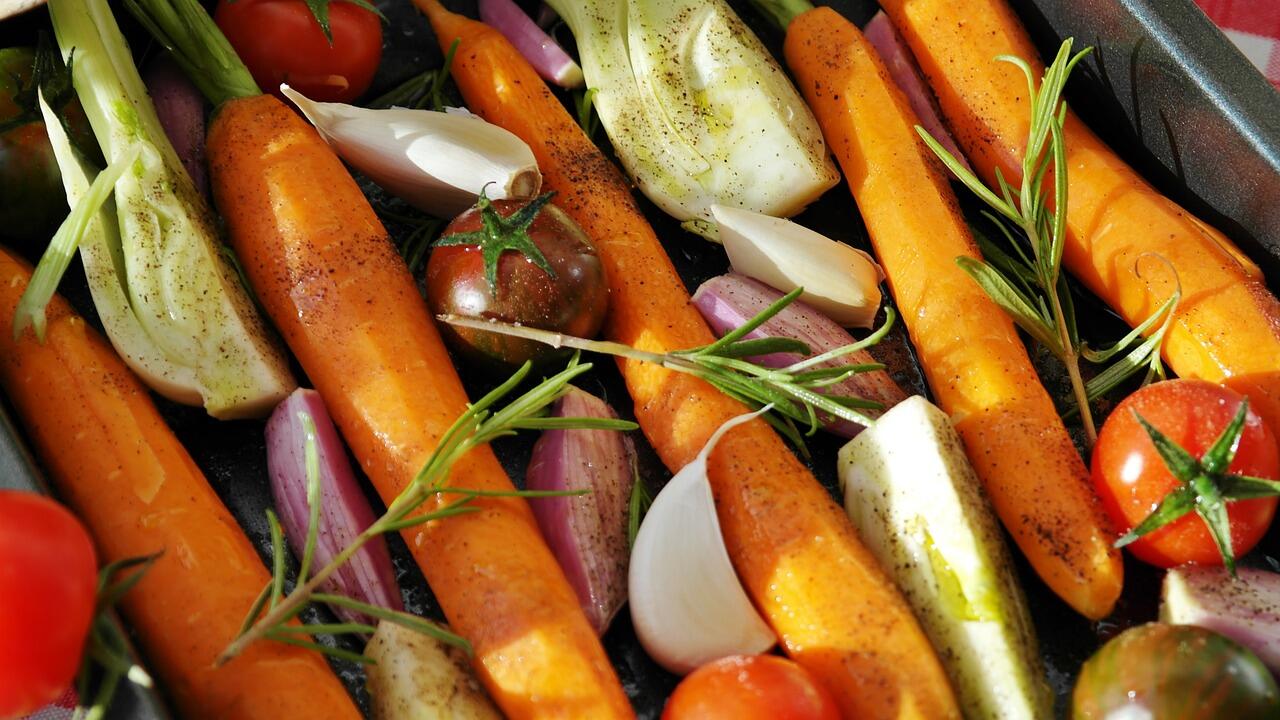
When it comes to eye health, most of us probably think directly of carrots. This is understandable, as we are told from an early age that carrots are good for the eyes. In fact, this is by no means a myth. Carrots contain lots of carotenoids, which are converted into vitamin A in the body. Vitamin A helps to build up the retina and a healthy retina improves both colour and night vision.
Nuts contain a lot of vitamin E
It is quite normal for our eyesight to deteriorate as we get older. Although we cannot stop this process, we can at least slow it down. Various nuts such as hazelnuts, almonds and walnuts can help with this. Thanks to their vitamin E content, they counteract age-related macular degeneration (AMD). They also protect against oxidative stress and reduce the risk of cataracts.
Regular water intake is a basic requirement
Dry and rubbing eyes are a common problem that can affect our vision in the long term. As they are usually associated with a lack of fluids, regular water intake is often enough to get the complication under control. Unsweetened teas and water are best. About two litres a day should be enough.
Zinc content of pumpkin seeds is among the highest of all foods
Pumpkin seeds are a healthy food simply because of their high vitamin content. But that's not even the crucial point. Their zinc content is much more impressive, as pumpkin seeds contain an average of 7 mg zinc per 100 g. This means that the zinc content of pumpkin seeds is far higher than that of most other foods. Soya milk, for example, contains a maximum of 1 mg of zinc per 100 ml. Zinc supports the transport of vitamin A to the retina. There the vitamin is processed into melanin. Melanin in turn protects our eyes from UV radiation.