

Who has the coconut? Or rather - who hasn't got it yet?
.jpg?w=3000&func=bound&org_if_sml=1)
This is all about coconuts - they contain a lot of power and good nutrients that can be used in a variety of ways.
Hard shell, healthy centre - coconuts contain a lot of power and good nutrients that can be used in a variety of ways. But let's start from the beginning: strictly speaking, the coconut is not a nut at all, but the stone fruit of the coconut palm. Little is known about its original origin. This is because coconuts can float in the sea for a long time without losing their ability to germinate. Today, the palm is native to the entire tropical belt, especially the Philippines, Indonesia, India, the Caribbean, Brazil and Mexico.
Fun fact: Coconut palms can live for over 100 years. At around 12 years old, they bear up to 40 nuts per year. When the palms reach their senior age (at the latest at 80 years), they become "senile" and no longer bear nuts.
A coconut can be processed almost completely. Only the outer layer needs to be removed. The coconut water inside can be extracted via one of the three germination holes. The flesh can now be removed: The remaining shell can be used as a container or natural fuel. The pulp can be eaten raw, but is usually dried into copra and processed further. The copra can be processed into coconut oil, coconut milk, flour and flakes using various methods.
Superfood for body, mind and soul
The coconut contains good nutrients, minerals and vitamins - it consists of 36 per cent fats, mainly saturated fatty acids, which are broken down relatively quickly by the body. Both the flesh and the milk are rich in fibre, B vitamins, vitamin C, calcium, amino acids, antioxidants and electrolytes. In addition to caprylic and capric acid, coconut contains a large proportion of lauric acid. This has a particularly positive effect on the immune system. This is because the antimicrobial and antiviral effect of lauric acid supports the body's immune system. Studies show that coconut oil can have a positive effect on the metabolism. The high proportion of lauric acid plays an important role in this. In particular, the coconut water inside the coconut is full of minerals such as potassium, calcium, sodium, iron, zinc, copper, phosphorus and selenium. Coconut water is ideal for replenishing the mineral balance, especially after sporting activities or intensive physical exertion:
Iron:
This trace element is essential for cell growth and the body's own immune defence. Iron is also required for the production of haemoglobin, which binds oxygen. The red blood cells transport oxygen through the bloodstream and supply the entire organism.
Vitamin E:
The vitamin has an antioxidant effect to protect cell structures from harmful free radicals.
Vitamin K:
The fat-soluble vitamin K plays a role in the formation of coagulation factors and inhibits bone loss in women after the menopause.
Copper:
.png?w=600&func=bound&org_if_sml=1)
Copper helps to stimulate brain function. The high copper content of coconut promotes the formation of neurotransmitters, which are responsible for the exchange of information between cells. One portion of the fruit covers around 17 per cent of the daily requirement of copper.
Coconut is not only versatile when it comes to nutrition. It can also be used wonderfully as an oil for natural body care - for skin and hair.
Coconuts are hypoallergenic and can be applied directly to the skin as a care product. The ingredients have a soothing and moisturising effect, as the saturated fatty acids restore the skin's natural lipid content.
On the face
On the face, a tiny amount of coconut oil is enough to care for irritated areas of skin or cracked, dry skin. The rule here is: less really is more!
For the body and as a scrub
A small amount of coconut oil is perfect for rich and natural care after a bath or shower.
The light fragrance enhances the feeling of relaxation; the oil is absorbed quickly and without leaving any residue. Mix with a little sea salt to create a scrub that can simply be massaged into the skin using circular movements and then rinsed off with water.
For the hair
Brittle and dry hair gets a real moisturising boost with a little coconut oil a real moisturising boost. Rub a nut-sized amount of oil into your hands and distribute evenly through your hair or leave in overnight and wash out the next morning.
Dental hygiene
The so-called oil pulling has recently triggered a small trend. Melt one to two teaspoons of coconut oil in your mouth in the morning and evening after cleaning your teeth and swish it through your teeth for at least 5 minutes.
For many, this additional dental care takes some getting used to at first, but it's worth it. Because oil pulling makes teeth and gums less susceptible to bacteria, coconuts rightly deserve their place among natural superfoods thanks to their many uses. It is:
- vegan
- gluten-free
- lactose-free
- rich in minerals (especially the coconut water)
- rich in medium-chain fatty acids (MCT fats)
- Rich in fibre (especially the coconut flour)
How about a coconut water fast? Instructions for this fasting cure as well as other applications and interesting facts about the coconut can be found at Florian Sauer and his Nakurapie Akademie.
And last but not least, an important note on purchasing coconuts and coconut products
Coconuts travel many miles from their growing region to our homes. For this reason, coconuts and coconut products should always be consumed with care, appreciation and in moderation: Organic quality and the organic cultivation of coconut palms are really important. Only in this way can the palms grow without the use of synthetic pesticides and fertilisers in a mixed culture with other crops and prevent one-sided leaching of the soil. The coconut oil should preferably be virgin (cold-pressed). In this way, no impurities are to be expected.
Related products
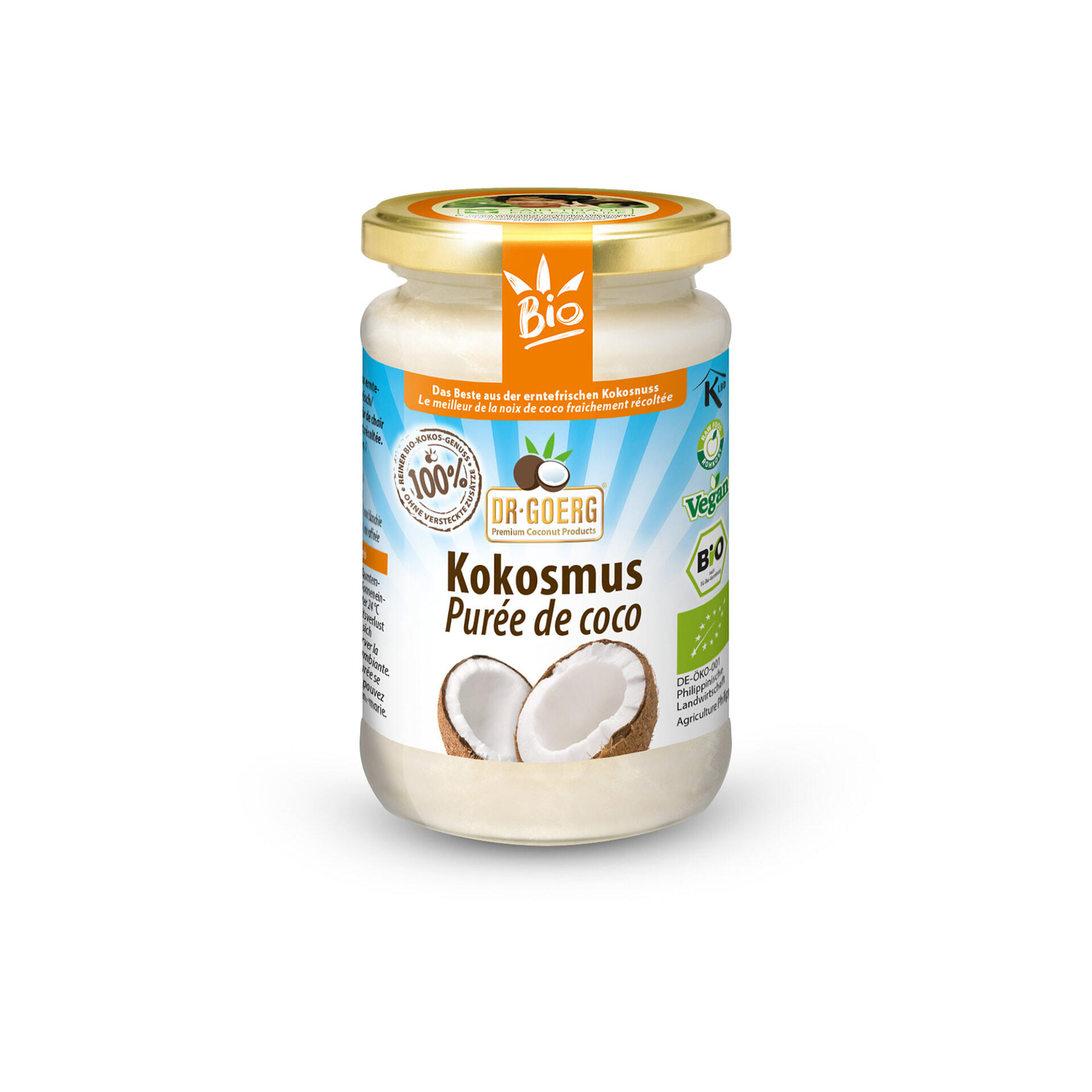
Available, delivery time: 1-3 days
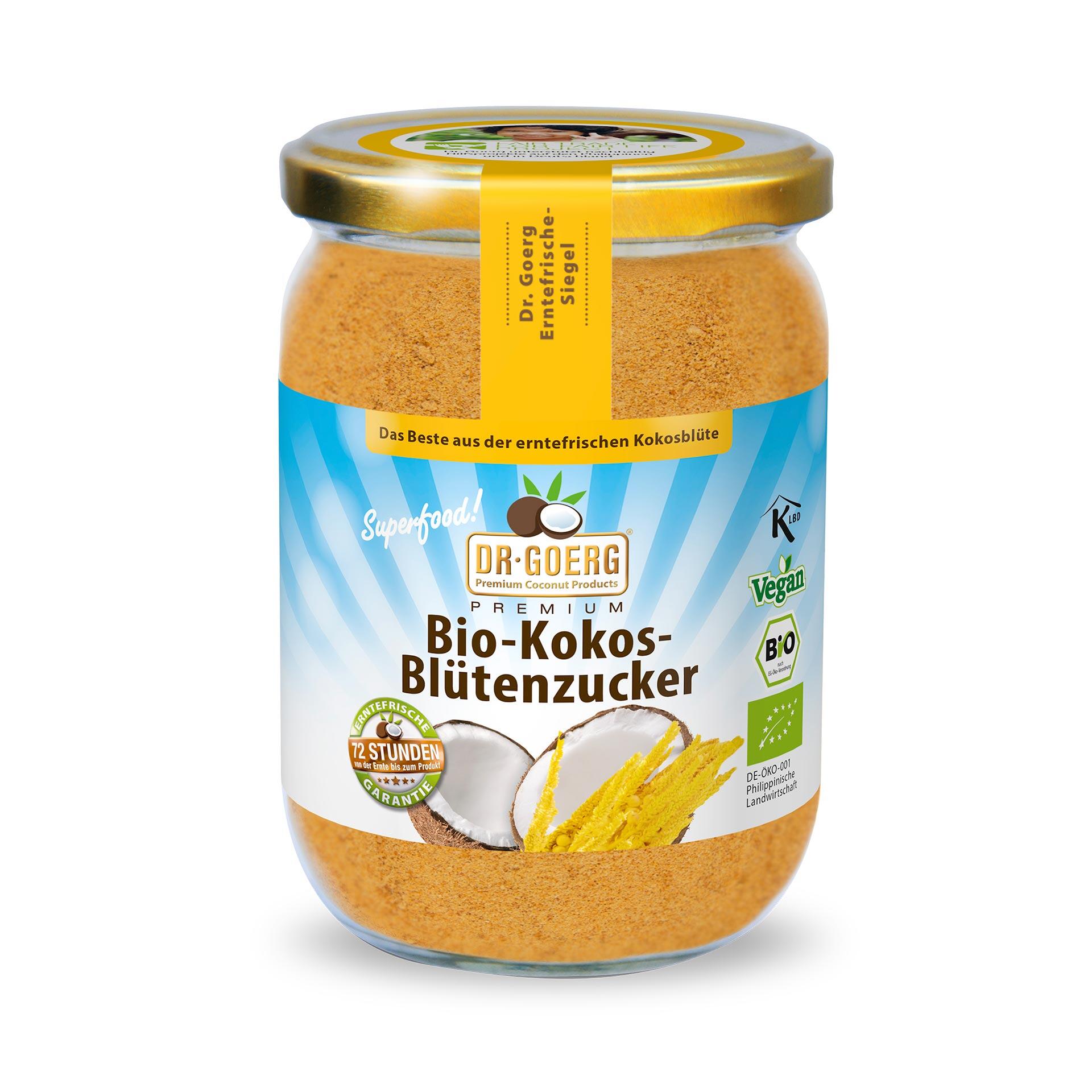
Available, delivery time: 1-3 days
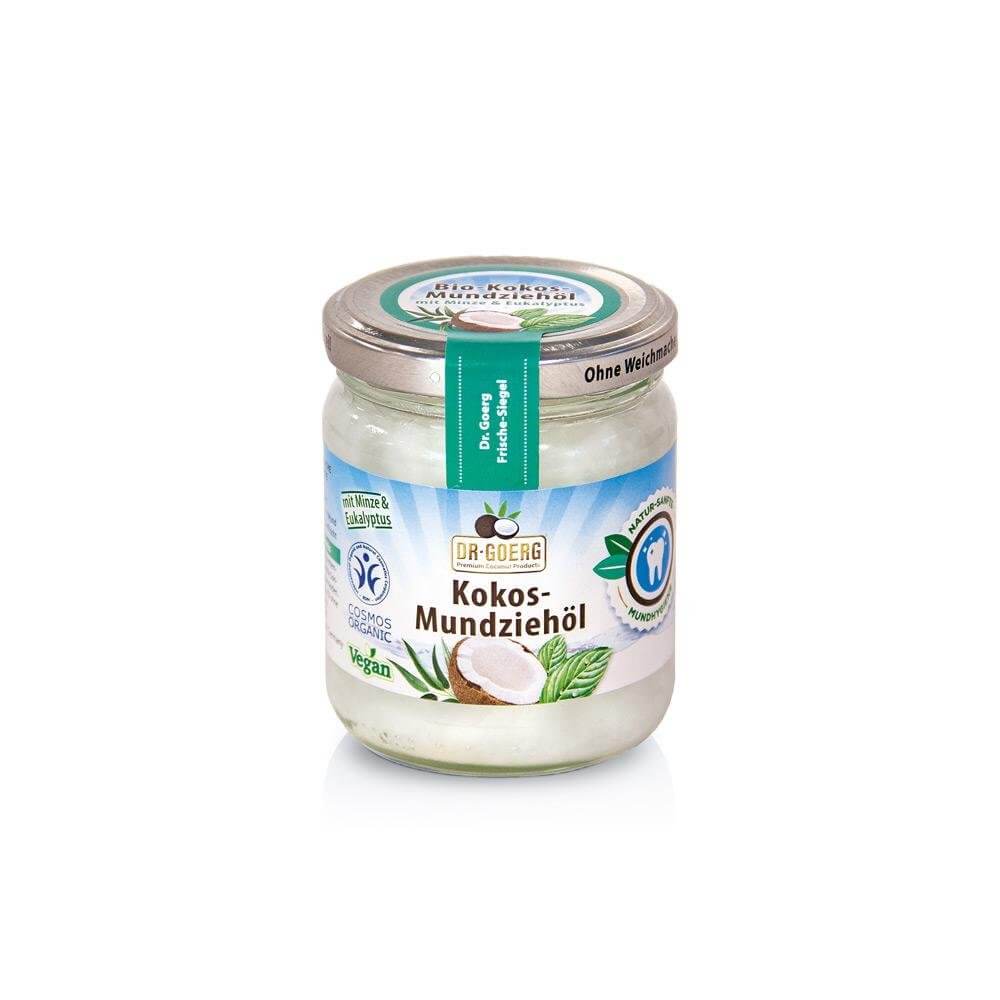
Available, delivery time: 1-3 days
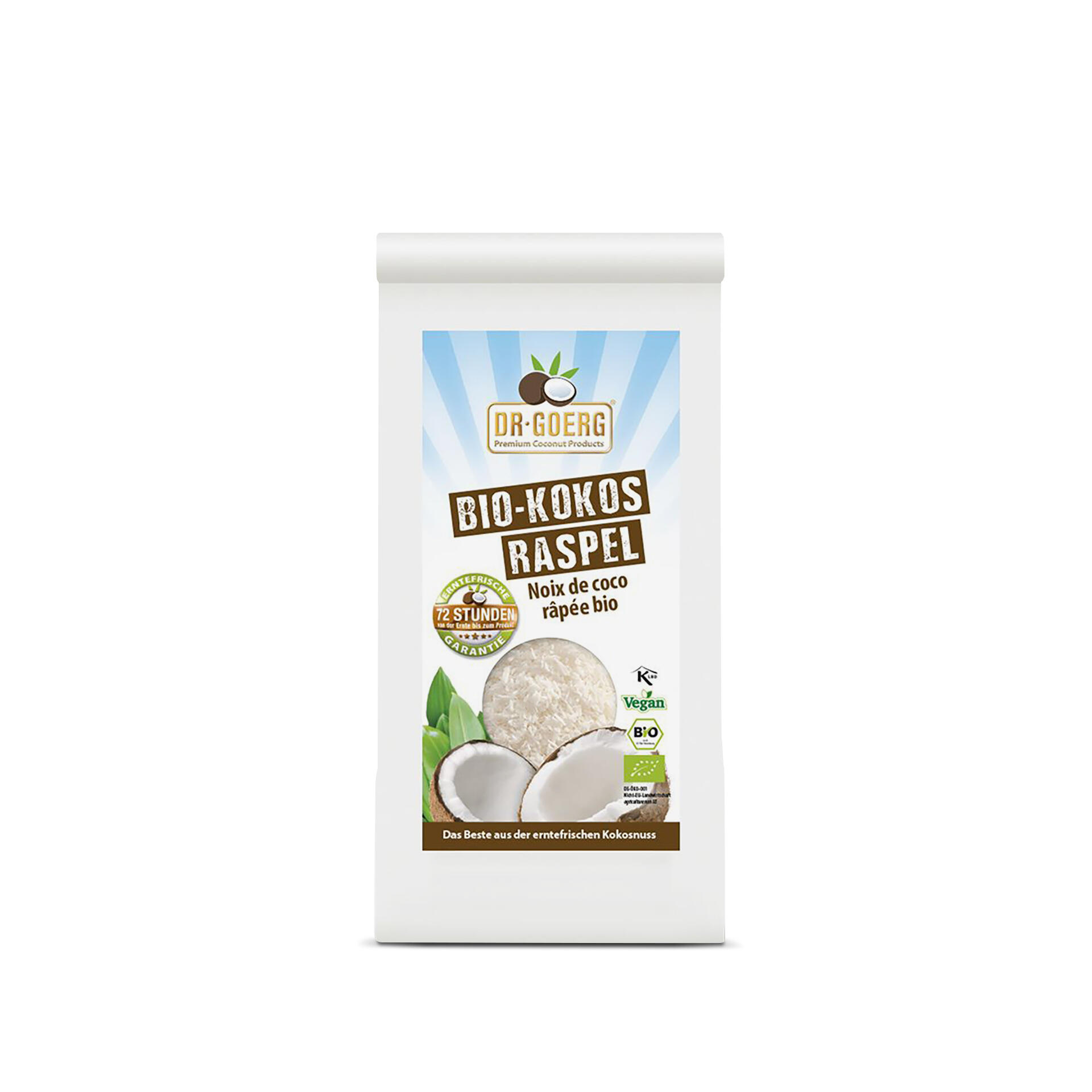
Available, delivery time: 1-3 days